
 By
By Learning how to save money for retirement is essential, even if it seems far away. Data from the Center for Retirement Initiatives shows that 55% of households aged 55–64 have less than $25,000 saved, and 4% have zero. Therefore, planning early is crucial. Taking small steps now can secure your financial future. But how? Let’s reveal!
Key Takeaways
- Define your retirement goals to guide your saving strategy effectively.
- Start saving early and consistently to benefit from compound interest.
- Reduce unnecessary expenses and increase income streams for growth.
10 Tips to Save Money for Retirement and Financial Freedom
For your guidance, we’ll share ten ways on how to save money for retirement to build healthy financial habits and grow your nest egg over time. So, follow along!
1. Understand Your Retirement Goals
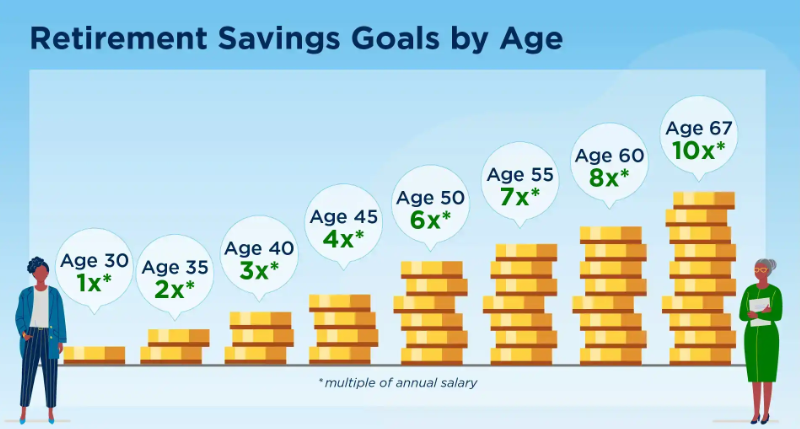
Before saving, define what retirement looks like for you. Consider the lifestyle you want, the age you plan to retire, and the costs associated with that life. Knowing your target helps you calculate how much you need to save each month to meet your goals.
Use retirement calculators or simple formulas to estimate your financial needs. This step provides clarity and motivation, turning abstract goals into concrete action plans. By understanding your target, you make every saving decision purposeful.
Also Read: 20 Proven Ways on How to Make Money in One Hour or Less
2. Create a Budget and Track Your Expenses
Budgeting is the foundation of the 10 ways to save money for retirement. Start by tracking your income and expenses to see where your money goes. This insight allows you to identify areas where you can cut back and redirect funds toward retirement.
Use apps or simple spreadsheets to monitor spending consistently. A clear budget ensures you can prioritize saving without sacrificing essential needs. By controlling your expenses, you create more room for long-term financial growth.
3. Start Saving Early
The earlier you begin saving, the more you benefit from compound interest. Even small monthly contributions made in your 20s can grow substantially by retirement age. Starting early reduces pressure later and allows you to take advantage of long-term market growth.
Even if you start small, consistency matters more than the initial amount. Regular contributions, even if modest, accumulate over time and create a strong financial foundation. Understanding the power of starting early is a key lesson in how to save money for retirement.
5. Maximize Employer Contributions
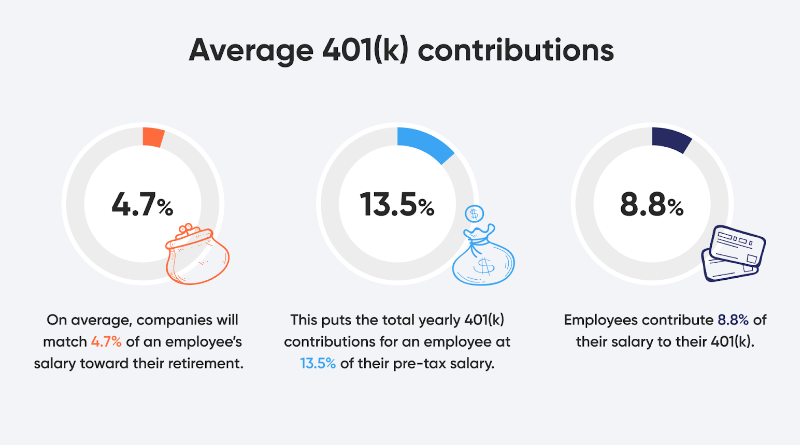
If your employer offers a 401(k) match, make sure to take full advantage. A 401(k) match means your employer adds money to your retirement account based on what you contribute. On average, employees put in 8.8%, and companies add 4.7%, giving a total of 13.5% toward retirement savings.
Failing to contribute enough to get the full match is like leaving money on the table. Even a small increase in your contributions can make a big difference. By gradually raising your contribution, you maximize both your savings and the employer’s match. Check your contributions regularly to ensure you’re capturing the full benefit.
Prioritizing contributions to get all available matching funds is very effective. Combined with your personal savings, the match accelerates retirement growth. Thus, taking advantage early allows your funds to benefit from compounding over time.
Also Read: 10 Useful Tips on How to Save Money From Salary Consistently
6. Reduce Unnecessary Expenses
Cutting back on nonessential spending is a simple but powerful way to increase retirement savings. Identify subscriptions, dining-out habits, or impulsive purchases that don’t add real value. Redirect these funds into your retirement account.
Even small reductions, like brewing coffee at home instead of buying it daily, add up over years. By consciously controlling spending, you can grow your nest egg faster and develop better financial discipline.
7. Invest Wisely for Long-Term Growth
Savings alone may not be enough to outpace inflation. Investing in stocks, bonds, or ETFs allows your money to grow at a higher rate over time. Diversified portfolios reduce risk while maximizing potential returns.
Long-term investing requires patience and strategy. Understanding your risk tolerance and retirement timeline helps you select investments that balance safety and growth effectively.
Also Read: How to Save Money in College: A Student’s Survival Guide
8. Increase Your Income Streams
Relying on a single income source may slow down retirement savings. Explore side hustles, freelance work, or passive income opportunities to supplement your primary income. Additional income can be fully allocated to your retirement fund to accelerate growth.
Even small side earnings contribute significantly when invested consistently. Diversifying income streams not only builds wealth but also provides financial security. Increasing income is an effective strategy in the long-term plan for how to save money for retirement.
9. Monitor and Adjust Your Retirement Plan
Regularly reviewing your retirement plan ensures it stays aligned with your goals. Life changes, market fluctuations, or income shifts may require adjustments to contributions or investment strategies. Stay proactive rather than reactive.
Even minor adjustments, like increasing contributions after a raise, can significantly impact long-term growth. Monitoring your plan helps maintain momentum and keeps your retirement on track.
10. Cultivate Healthy Financial Habits

Saving for retirement is not just about numbers but also about building discipline. Develop habits like spending intentionally, avoiding debt, and consistently contributing to your savings. Over time, these habits become second nature and support long-term financial security.
Healthy financial behaviors also improve your overall money management skills. By making conscious decisions and staying committed to saving, you set yourself up for a comfortable and stress-free retirement. Cultivating these habits is the final piece in learning how to save money for retirement effectively.
Also Read: How to Save Money on a Wedding: 15 Budget-Friendly Ideas
Build Your Nest Egg by Saving Money for Retirement
The best way to save money for retirement is not just about setting money aside. First and foremost, it requires a clear plan and consistent habits. In addition, smart financial decisions help you stay on track. By focusing on goals, budgeting, and automating savings, you lay a strong foundation.
Next, reducing unnecessary expenses and maximizing employer contributions accelerates growth. Meanwhile, investing wisely and increasing income strengthens your nest egg. Furthermore, monitoring progress keeps your plan aligned with your goals.
Finally, starting today, even with small contributions can make a big difference. Over time, your future self will thank you for the effort. Consequently, taking consistent action builds a comfortable retirement and financial freedom.