
 By
By The American Psychological Association stated that cognitive behavioral therapy (CBT) is a well-established form of psychological treatment proven effective for a wide range of challenges. Cognitive behavioral therapy games are also an effective way to apply CBT principles, making the process more engaging and accessible.
For this reason, we’ve compiled some of the best cognitive behavioral therapy games that can help reduce anxiety and support better mental health.
Key takeaways
- Games make CBT principles interactive, helping children, teens, and adults practice emotional regulation and coping skills in a fun way.
- CBT games encourage mindfulness, social skills, problem-solving, and healthier thought patterns.
- CBT games can be used in therapy sessions, classrooms, or at home to support mental well-being.
- Research shows therapeutic games can reduce anxiety and stress, though continued studies are needed to confirm long-term effects.
Cognitive Behavioral Therapy Games
Research has found promising effects of therapeutic games on mental health, showing reductions in anxiety and improvements in coping skills. Follow these to get the top 10 cognitive behavioral therapy games.
1. UNO
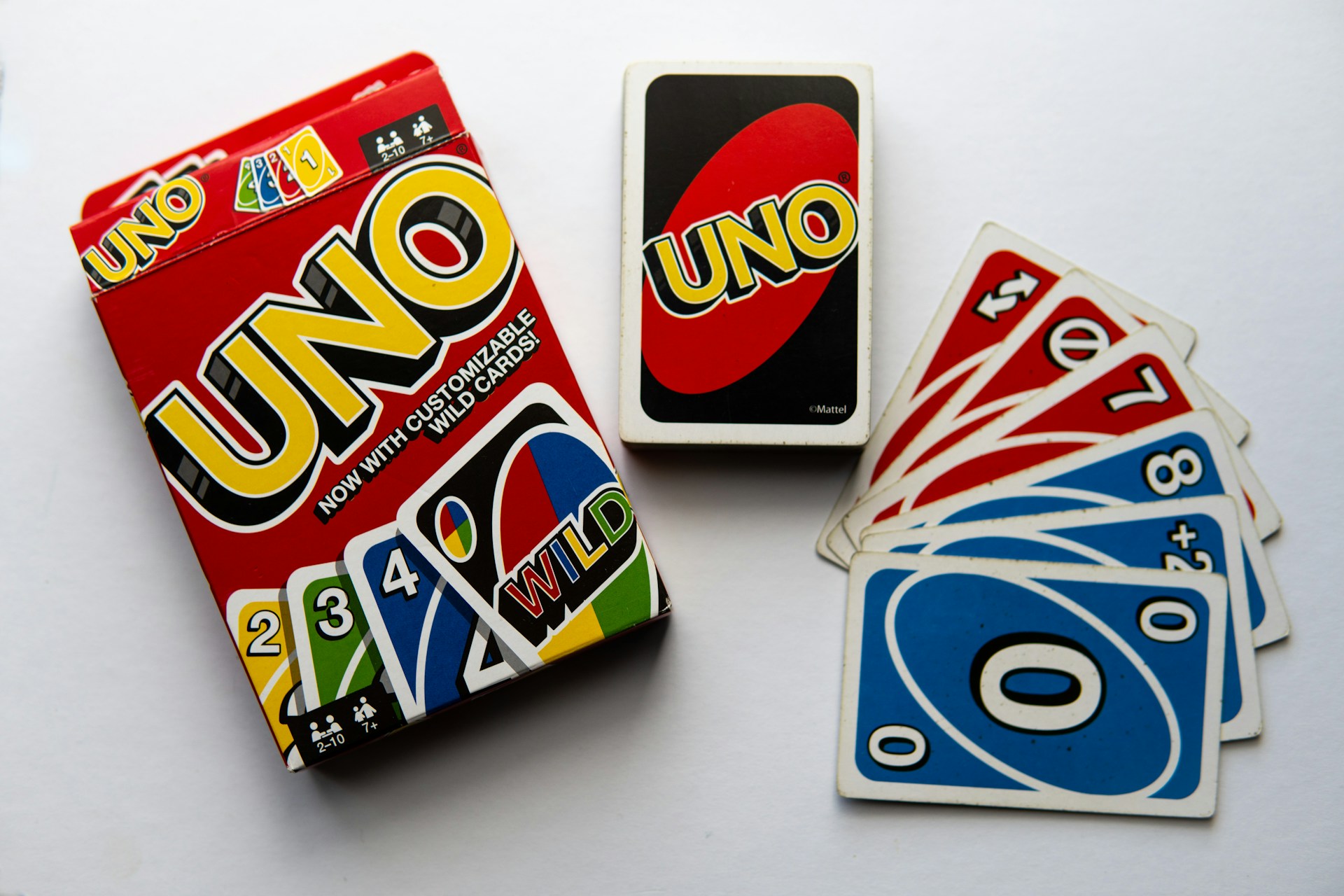
Uno is effective for CBT because it builds emotional regulation, cognitive flexibility, and attention through matching and strategy. It also encourages turn-taking, communication, and coping with setbacks. This game is a fun and low-pressure way to practice key therapeutic and social skills.
Also Read: How to Mind Your Own Business: Protect Your Mental Health
2. Angry Birds Truth Bomb
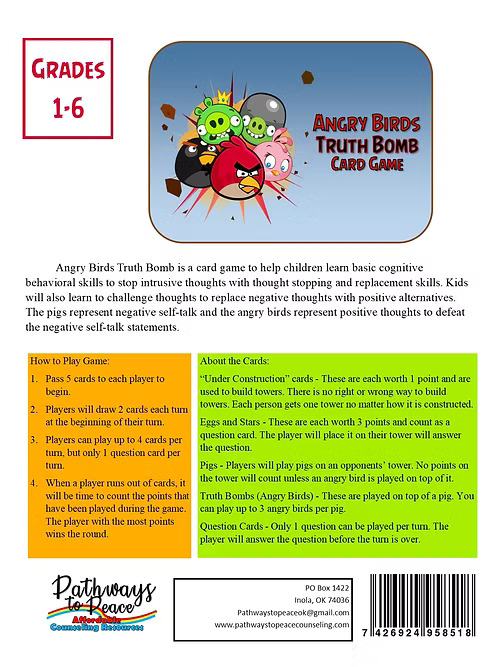
This game helps children learn to rescript their self-talk through this fun and engaging card game. In the activity, pigs represent negative self-talk statements, while Angry Birds act as “truth bombs” that smash those unhelpful thoughts with more positive and realistic ones.
This playful approach makes it easier for kids to understand the difference between harmful thinking and constructive self-talk. You can adapt the concept using Angry Birds apps or store-bought games.
3. Catch, Check, and Change
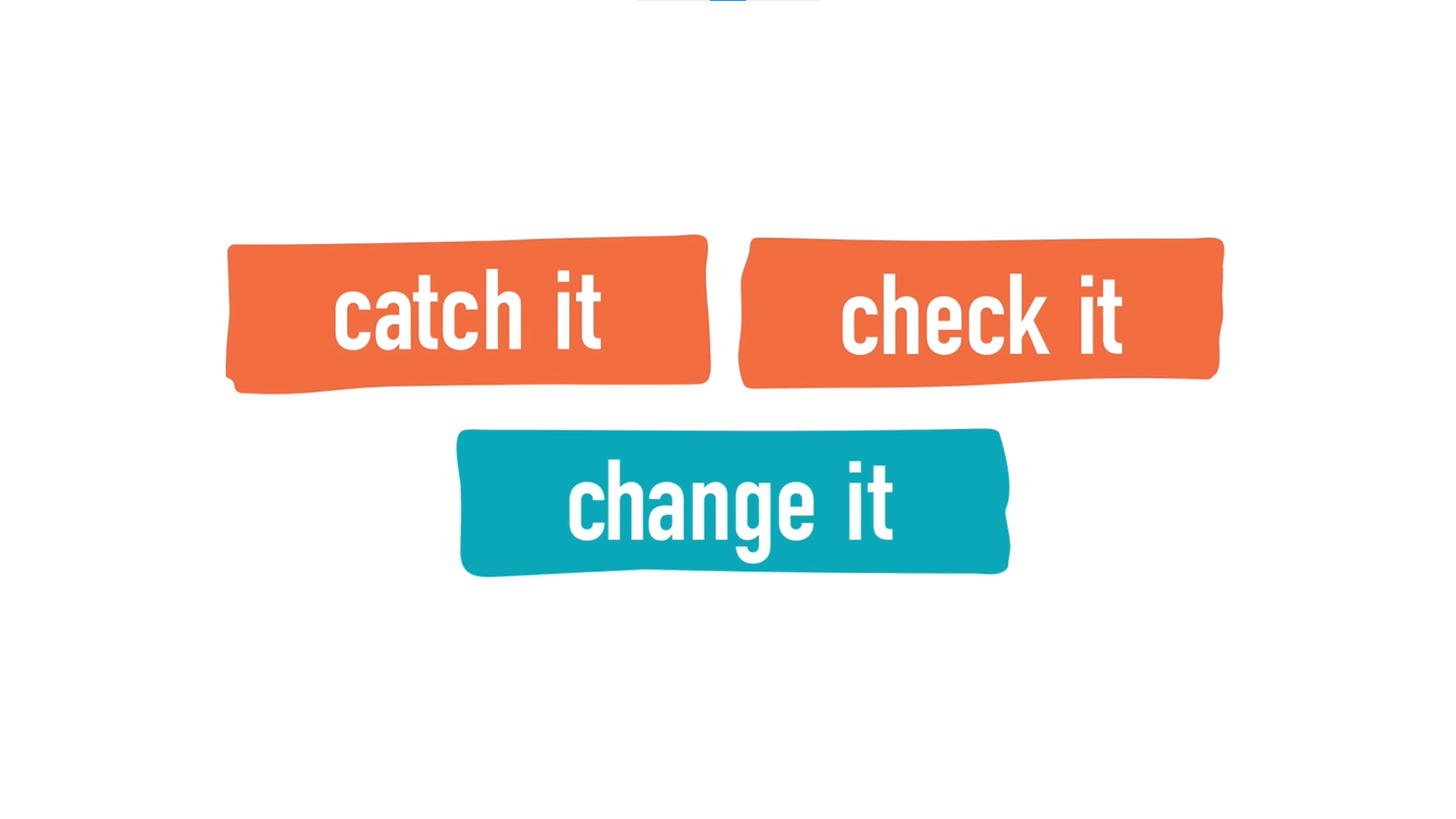
Catch, Check, Change is a simple and engaging CBT technique that works well in therapeutic games for children. First, kids catch their automatic thoughts by noticing them as they arise. Next, they check whether those thoughts are true, helpful, or unhelpful.
Finally, they change them into more balanced, positive statements. Using games to practice this process makes learning interactive, fun, and memorable, while helping children build awareness, emotional regulation, and healthier thinking patterns in a supportive environment.
4. Celebrating Successes
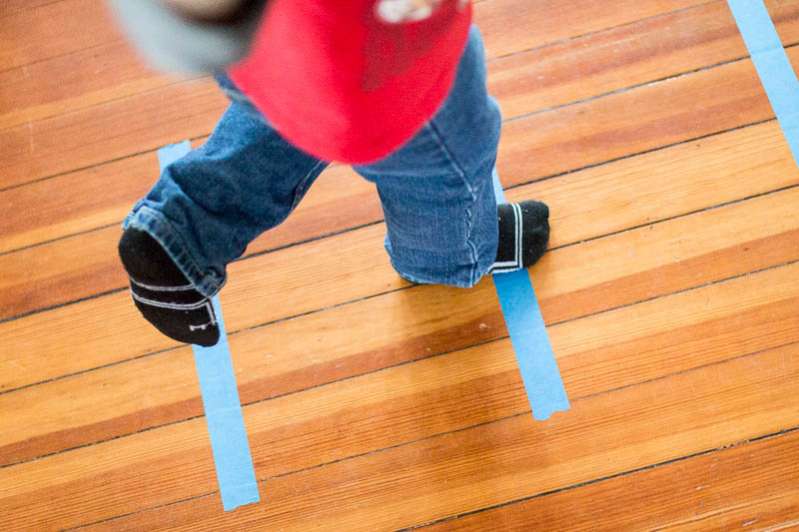
This activity helps children and families practice recognizing achievements instead of focusing only on negatives. Place five horizontal tape lines on the floor. Each participant shares a recent win and why it mattered, then jumps forward to the next line. In smaller groups, take turns so everyone progresses together.
At the finish, celebrate with a hug, applause, or a certificate. Emphasize that small and big wins are unique to each person and all deserve recognition, celebration, and encouragement.
Also Read: How to Get Your Mind Off Something and Find Peace of Mind
5. Physical Sensation and Emotion Pairing
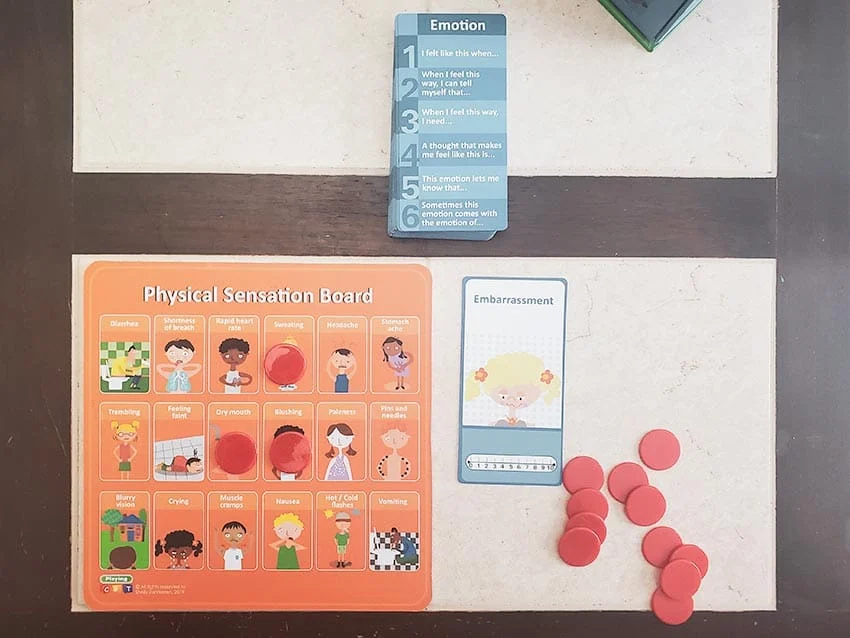
This therapy game uses emotion cards, a physical sensation board, and red tokens to build emotional awareness. Players draw an emotion card, flip it over, and place tokens on the sensations they feel when experiencing that emotion.
For example, with “Embarrassment,” a child might choose sweating, dry mouth, and blushing. The activity helps children link emotions to body signals, an essential step in identifying feelings. By practicing, they become more aware of their emotional experiences and improve self-understanding.
6. Bubble Blowing Game

Breathing bubble CBT games use bubbles to teach children slow, controlled breathing, supporting self-regulation and relaxation. One example is the Bubble Blowing Game, where children use a wand to blow gently, creating large, lasting bubbles instead of short, forced bursts. This method is particularly effective because it uses a visual, cause-and-effect relationship that children can easily understand.
When a child takes a slow, controlled breath, the resulting large, beautiful bubble provides immediate, tangible feedback. In contrast, a quick, hurried breath leads to a small, often burst bubble. This visual result helps them learn self-control and see how their breathing directly impacts their outcome.
7. Coping Skills Quiz Show
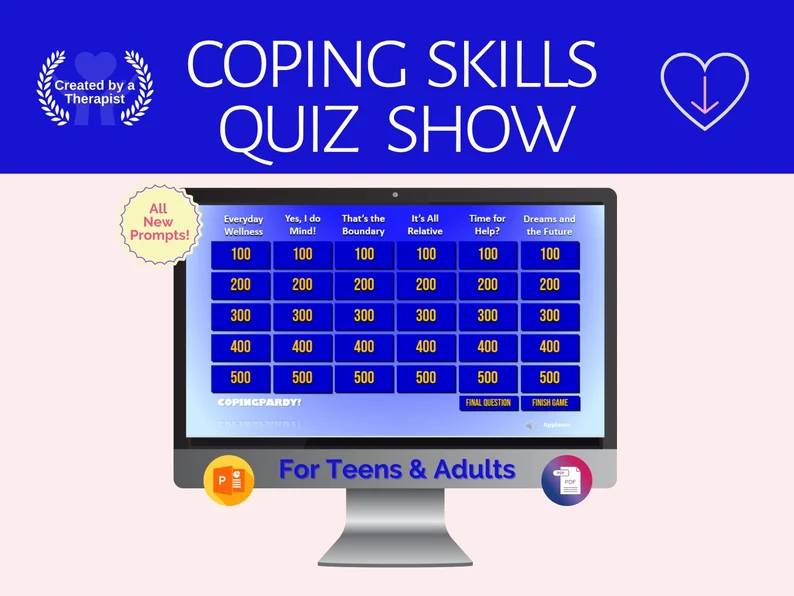
The Coping Skills Quiz Show is one of the examples of cognitive behavioral therapy games you should try. This Jeopardy-style coping skills game is an engaging, interactive activity designed for teens and adults (a kid-friendly version is also available separately or in a bundle).
It features six categories: Wellness, Mindfulness, Boundaries, Relationships, Asking for Help, and Setting Goals. Each category has discussion prompts, tips, and hands-on group activities like creating personal coping strategies.
Also Read: Top 11 Meditation Tools for Beginners to Deepen Your Practice
8. DIY Stress Balls
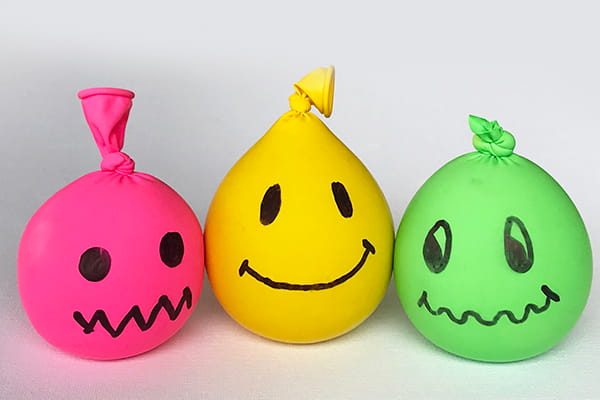
Creating and using stress balls offers children a fun, hands-on way to manage stress and anxiety. The process of making them is creative and engaging, giving kids a sense of ownership and involvement. Once finished, the stress balls can be squeezed whenever tension arises, providing instant relief and comfort.
Beyond the calming effect, this activity opens the door to meaningful conversations about emotions in a relaxed, playful setting, helping children develop healthier coping strategies for everyday challenges.
9. Future Worries
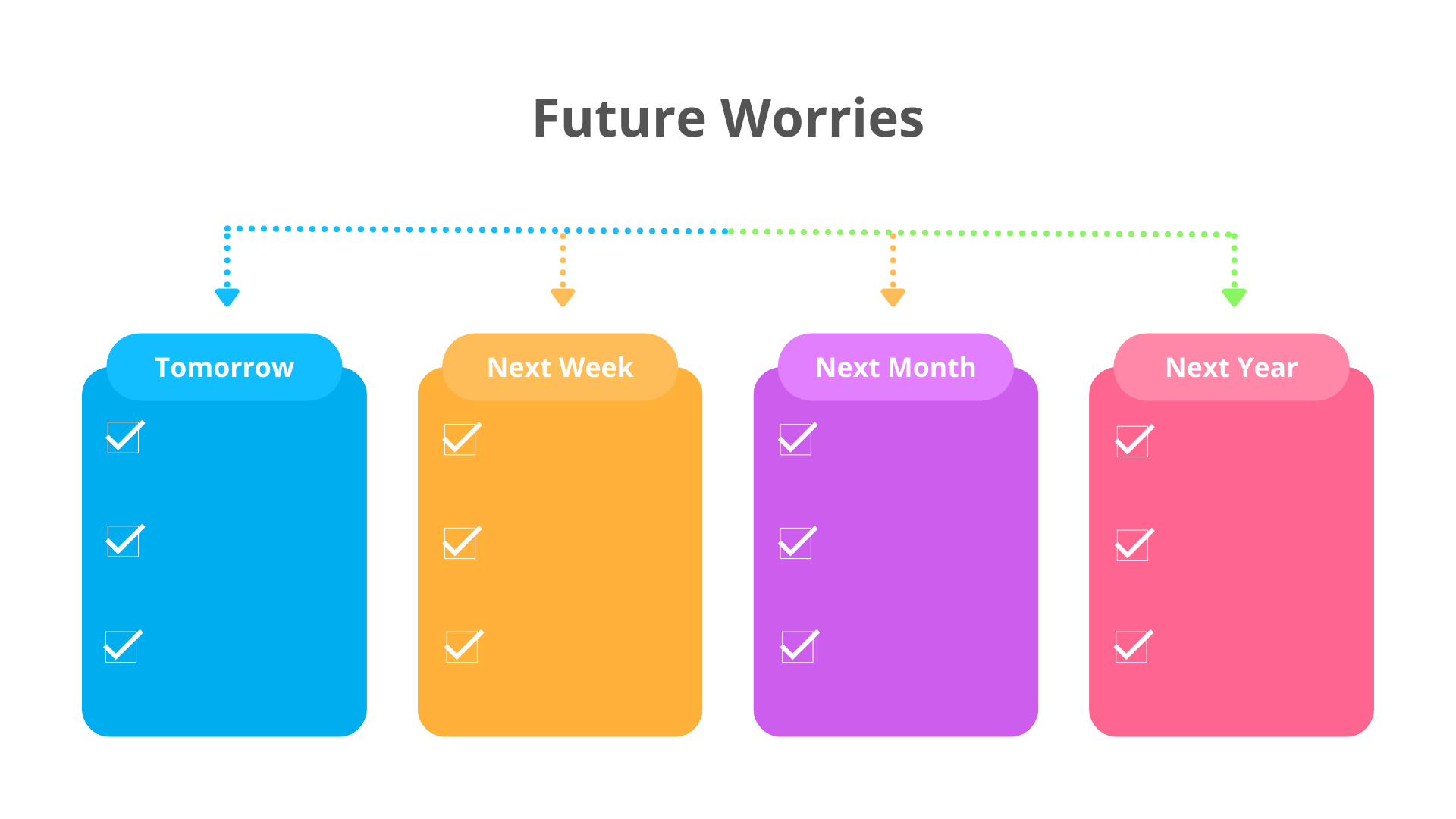
This activity helps individuals explore how thoughts about the future influence stress and anxiety. Begin by discussing how focusing on what is inside or outside our control affects our sense of calm. Participants draw four columns—tomorrow, next week, next month, and next year—then list possible stressors for each.
They underline what can be controlled and note three actions to manage it. Finally, review together, highlighting how some stressors can be influenced, while others must be accepted as they are.
10. Spider Phobia
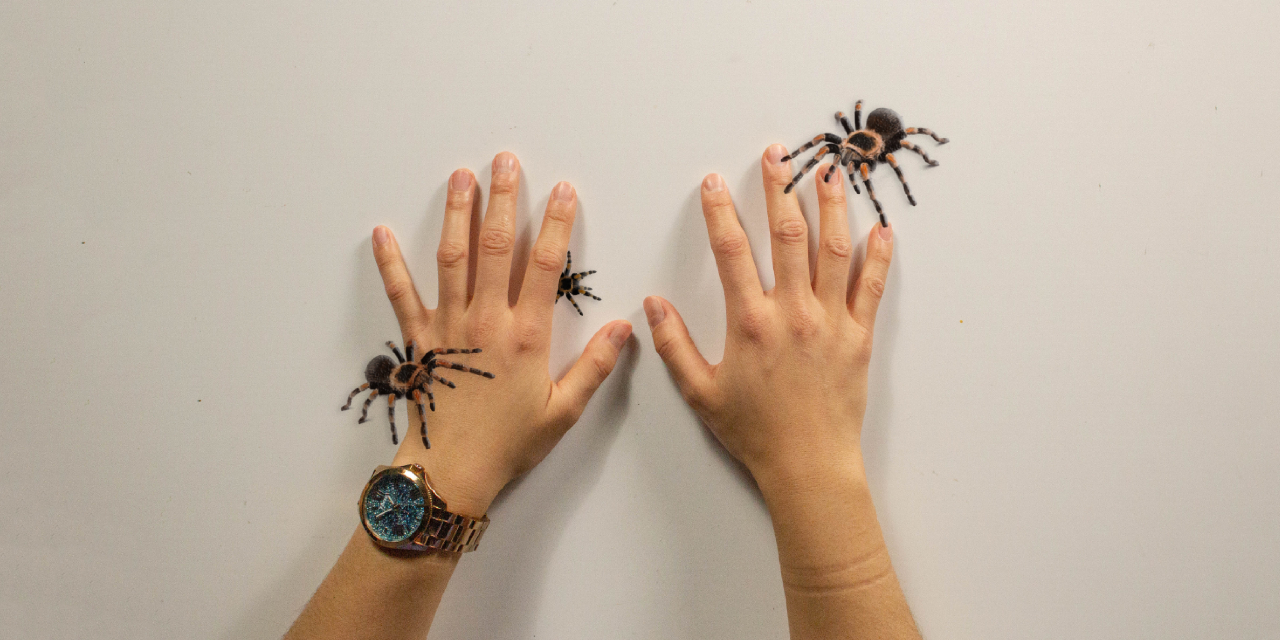
The Spider Phobia Game is an exposure-based activity that helps individuals gradually confront their fear of spiders in a safe, controlled way. The process begins with small, manageable steps such as looking at cartoon drawings of spiders before moving on to realistic photos.
As confidence grows, the exposure can progress to videos, toy spiders, and eventually observing a live spider from a safe distance. This gradual approach reduces avoidance, lessens anxiety, and helps individuals build resilience in facing their phobia.
Also Read: How to Meditate in Bed for Better Sleep and Reduce Anxiety
Why Cognitive Behavioral Therapy Games Work
Cognitive behavioral therapy games prove a creative and engaging way to build essential coping skills while making the learning process enjoyable. By combining therapeutic principles with interactive play, these activities help children, teens, and even adults practice emotional regulation and problem-solving.
CBT games can be used in clinical sessions, classrooms, or at home, turning complex concepts into practical tools. They make learning fun, memorable, and effective while helping children, teens, and adults build lasting coping strategies and essential life skills.