By
By How to save money from salary is tough because expenses often rise as income grows. Yahoo Finance reports 40% of Americans cut spending when costs exceed income, while 26% dip into savings. Clearly, saving consistently is harder than it looks. That’s why smart strategies are crucial.
Still, financial security requires planning and discipline. Thankfully, saving from your salary is possible with the right habits. By budgeting, reducing expenses, and automating savings, progress becomes easier. So, let’s follow these proven tips below to start saving smarter!
Key Takeaways
- Track income and expenses to save money from salary.
- Automate savings monthly to consistently build financial security.
- Combine budgeting and investments for stronger long-term salary growth.
How to Save Money from Salary with 10 Smart Habits
In the list below, we’ll uncover practical habits to help you save from your salary each month and strengthen your financial future. Begin applying them today!
1. Understand Your Income and Expenses
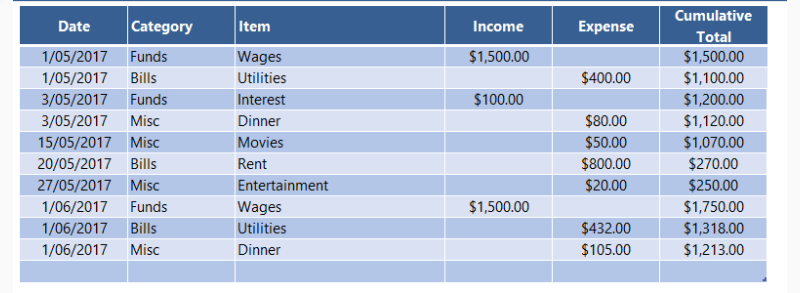
The very first step is understanding where your salary actually goes each month. By tracking both income and expenses, you gain a clear picture of your financial situation. Many people overspend simply because they don’t realize how small purchases add up. Therefore, awareness is the foundation of all effective money-saving habits.
To make this easier, you can use apps or spreadsheets to categorize your expenses. Once you start tracking things like groceries, rent, and entertainment spending, you’ll probably be surprised by some of the numbers. It’s one of those things where seeing the real data makes it much clearer what you actually need versus what you just want.
With this information, you can prioritize needs over wants. Consequently, you’ll find it much easier to save consistently from your salary.
Also Read: How to Save Money on a Wedding: 15 Budget-Friendly Ideas
2. Create a Realistic Monthly Budget
Once you understand your spending, the next step on how to save money from your salary is creating a realistic budget. A budget helps control overspending and ensures you allocate money wisely. Without one, it’s easy to lose track and end up living paycheck to paycheck. Thus, budgeting acts as a roadmap for your financial journey.
A popular method is the 50/30/20 rule: 50% for needs, 30% for wants, and 20% for savings. For example, if your salary is $2,000, you save $400 automatically. With this structure, you avoid guilt when spending on wants while securing your savings. As a result, budgeting transforms into a balanced lifestyle tool.
3. Pay Yourself First (Automate Savings)
Saving becomes more effective when you prioritize it before spending. This method, known as “pay yourself first,” ensures you never treat savings as an afterthought. Instead of waiting to see what remains at month’s end, you save the moment your salary arrives. Consequently, you build discipline without extra effort.
Automation makes this strategy even more powerful. By setting up direct transfers to a savings account, you remove the temptation to spend that money. Over time, these small but consistent contributions grow significantly. Therefore, automation is the easiest way to turn saving into a long-term habit.
4. Cut Down on Impulse Spending
Impulse spending is one of the biggest threats to savings. It often happens when emotions or marketing tactics influence decisions. Recognizing these triggers is the first step toward control. Hence, developing strategies to resist impulsive purchases is crucial for growing your savings.
Practical tips on how to save money from salary are using the 24-hour rule before buying, sticking to shopping lists, and unsubscribing from marketing emails. Even small changes like skipping an unnecessary coffee add up over months. Gradually, you’ll notice how much money remains untouched and increases your salary savings.
Also Read: How to Save Money in College: A Student’s Survival Guide
5. Reduce Unnecessary Fixed Expenses
Another smart move is minimizing recurring expenses that quietly drain your income. Bills for subscriptions, utilities, or phone plans often go unnoticed. By reviewing these regularly, you can cut or negotiate costs. Therefore, lowering fixed expenses creates more room for savings.
Downsizing your lifestyle also contributes significantly. Choosing affordable housing, using public transport, or canceling unused subscriptions are practical examples. Each adjustment may seem small, but collectively they make a huge difference. With fewer financial obligations, you gain flexibility and save more efficiently.
7. Use Salary to Start Investing
While saving protects money, investing helps it grow over time. Savings provide short-term stability, while investments create long-term wealth. By allocating part of your salary to investments, you secure financial growth. Thus, combining both strategies shows how to save money from salary effectively.
Beginner-friendly choices include mutual funds, index funds, or retirement accounts. Even small contributions can compound into significant wealth when started early. Moreover, the power of time and interest accelerates results. Ultimately, investing turns your salary into a true wealth-building tool.
8. Take Advantage of Employer Benefits
Many employees overlook benefits such as retirement contributions, health insurance, or wellness programs. By fully using these perks, you reduce expenses and increase savings. Therefore, maximizing them is like receiving free money from your employer. This strategy highlights how to save money from salary wisely.
Moreover, employer matches on retirement plans can instantly double savings. Likewise, company-provided health insurance helps lower medical expenses significantly. By exploring these hidden benefits, you free up more of your income.
Also Read: 10 Personal Finance Podcast Channels to Boost Financial IQ
9. Practice Smart Lifestyle Habits
Day-to-day choices strongly influence how much of your salary you save. Cooking at home instead of dining out, or using public transport instead of driving, can save hundreds monthly. These lifestyle changes may seem simple but have a lasting impact. Thus, small habits shape bigger financial outcomes.
Additionally, buying in bulk, using cashback apps, or seeking discounts can further stretch your salary. Such practices don’t demand drastic sacrifices but provide steady savings. Over time, these conscious decisions build financial discipline. As a result, smart lifestyle habits make saving a natural part of daily life.
10. Set Clear Financial Goals

Finally, saving is more effective when tied to specific goals. Short-term goals like vacations or debt repayment keep you motivated. Meanwhile, long-term objectives such as buying a home or retiring comfortably give direction. Therefore, goal setting is crucial for consistent progress.
To stay on track, write down your goals and review them regularly. Visual reminders create accountability and strengthen your commitment. With clear milestones, you’ll find saving more purposeful and rewarding. Ultimately, goals transform saving from a chore into a meaningful journey.
Also Read: How to Start a Life Coaching Business: Step-by-Step Guide
Begin Saving with One Smart Habit to Build Your Future
In conclusion, the tips on how to save money from salary are about smarter choices, not strict cuts. By budgeting, reducing expenses, and automating savings, you build financial security. Moreover, adding investments and emergency funds strengthens stability. Hence, start small today and stay consistent for long-term success!