 By
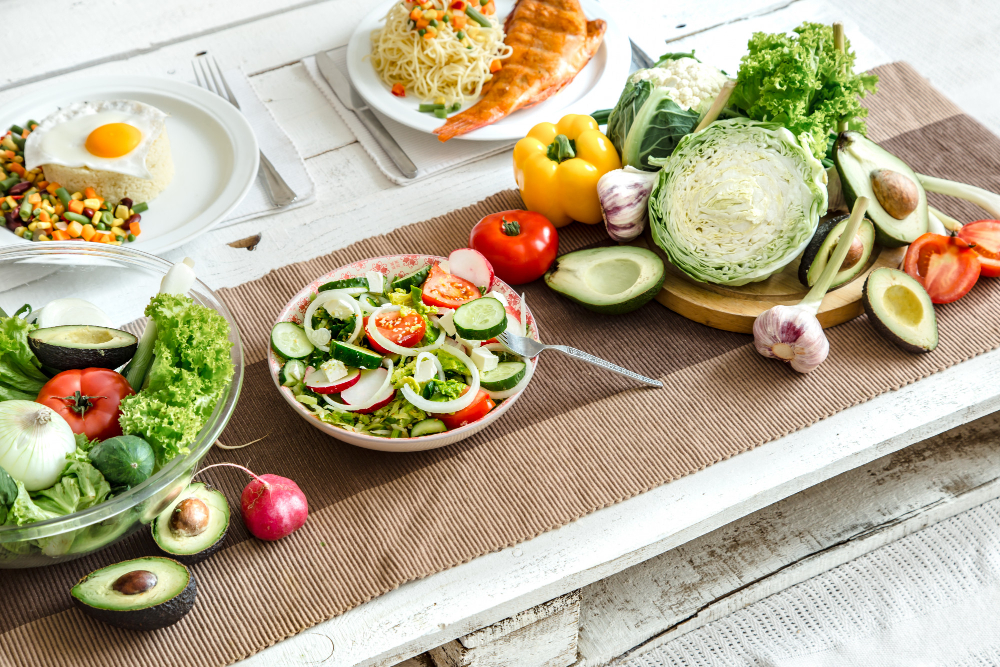
By Living with colon inflammation can be painful and exhausting, but the right diet makes a difference. Research shows that there are certain foods that heal colon inflammation, from leafy greens fatty fish, to probiotic-rich products.
While medical treatment is essential, diet plays a powerful role in calming inflammation and supporting the healing of the colon lining.
Why Diet Matters for Colon Inflammation
Recent studies show that dietary patterns high in fruits, vegetables, fiber, and omega-3 fatty acids are associated with lower risk, milder disease, and longer remission in inflammatory bowel disease (IBD), including ulcerative colitis and Crohn’s disease.
On the other hand, Western diets rich in processed meats, saturated fats, refined sugar, and low in fiber are correlated with higher disease activity and risk. Therefore, understanding the role of diet provides the foundation for exploring the best foods for bowel inflammation is important task.
Also Read: Healthy Picnic Food: 10 Guilt-Free Treats to Enjoy Under the Sun
15 Foods That Heal Colon Inflammation
With that in mind, here are top 15 foods that heal colon inflammation, along with tips on how to consume them.
1. Fatty Fish (Salmon, Mackerel, Sardines, Trout)
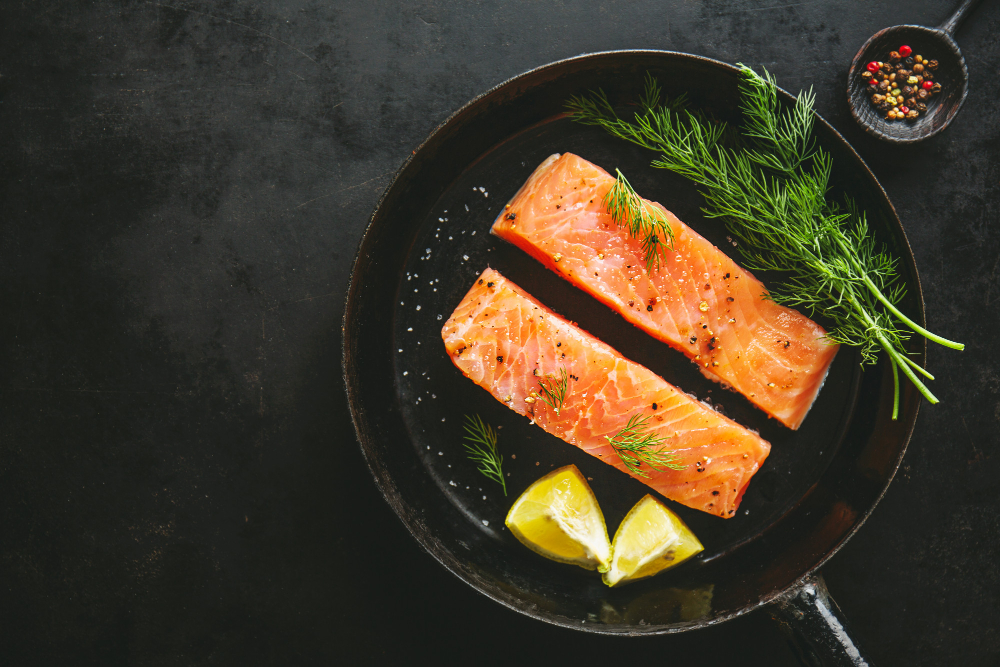
These foods are rich in omega-3 polyunsaturated fatty acids (PUFAs), which help reduce inflammation markers and protect mucosal integrity. In experimental colitis models, omega-3 supplementation reduced colon shortening and histological inflammation. For the best result, aim for 2–3 servings per week. Grill, bake, or steam the fish rather than frying.
2. Olive Oil (Extra Virgin)
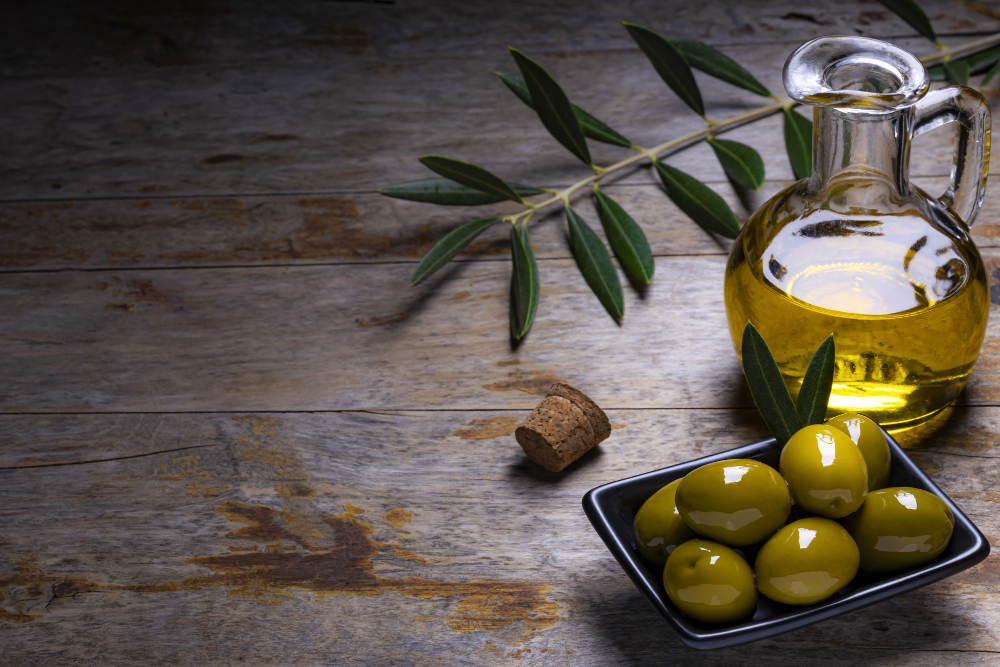
Olive oil is high in monounsaturated fats plus phenolic compounds. It features prominently in anti-inflammatory Mediterranean diet patterns which are associated with reduced IBD risk and lower inflammation.
You can use olive oil as the primary cooking or finishing oil instead of palm oil. However, avoid high heat to preserve phenolics. Another option is to drizzle it on cooked veggies or use in dressings.
3. Leafy Greens (Spinach, Kale, Swiss Chard, Collards)

These leaves are rich in fiber, antioxidants (e.g. carotenoids, polyphenols), and vitamins (A, C, K). Those nutritions help neutralize oxidative stress and support intestinal barrier health.
Studies of healthy plant-based diets show that a healthy plant-based diet was associated with an 8% lower risk of ulcerative colitis, and a 14% lower risk of Crohn’s disease.
The preferred way is for the leafy greens to be steamed or sautéed during flares to reduce mechanical irritation. However, in remission, raw might be tolerated, but introduced gradually if fiber is problematic.
4. Soft, Ripe Fruits (Blueberries, Applesauce, Melons)
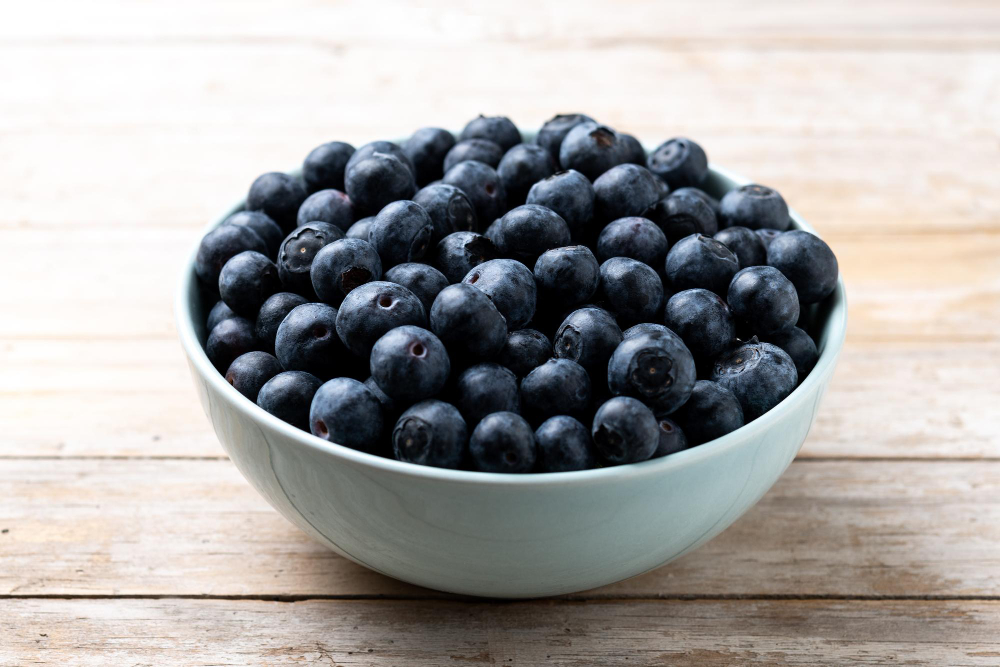
Soft fruits are one of the best foods that heal colon inflammation because they provide soluble fiber, vitamins, and polyphenols with less mechanical irritation. While blueberries especially have high antioxidant capacity. To consume it, mash or cook fruit during flare-ups. You can even blend them into smoothies.
5. Squashes (Butternut, Pumpkin, Zucchini)
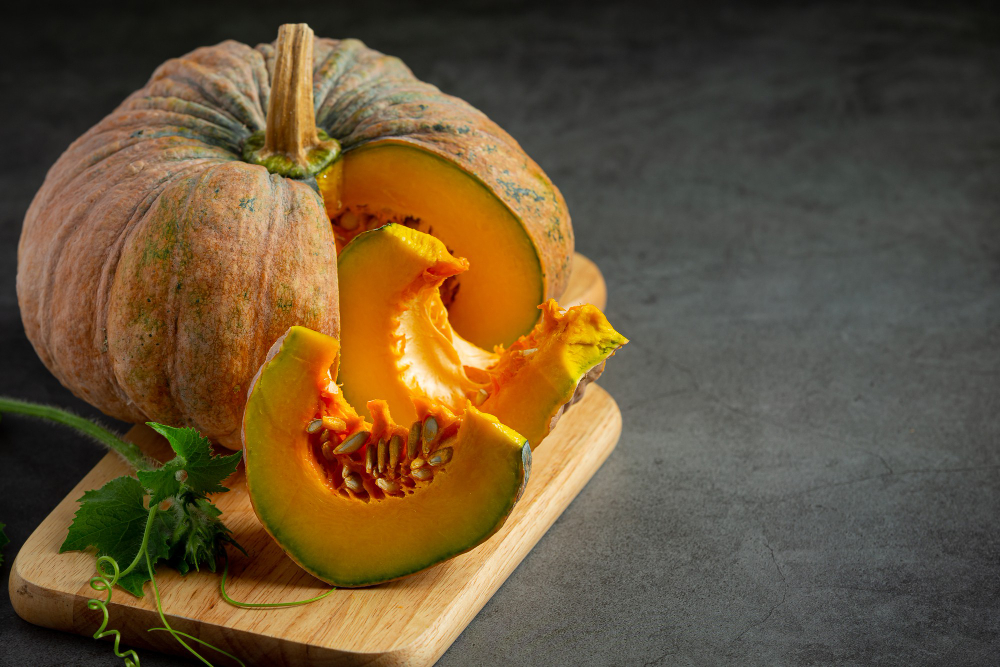
Squashes are easy to digest, rich in beta-carotene, vitamin C, and soluble fiber. When cooked and pureed, they soothe the digestive tract during inflammation. Guides for IBD diets by Medical News Today recommend pureed squash among tolerated vegetables.
6. Legumes (Lentils, Black Beans, Chickpeas)
Legumes offer plant protein and fiber. A study published in Journal Advances in Nutrition states that dietary fiber can help in maintaining the epithelial barrier of the gut through interactions with the gut microbiota.
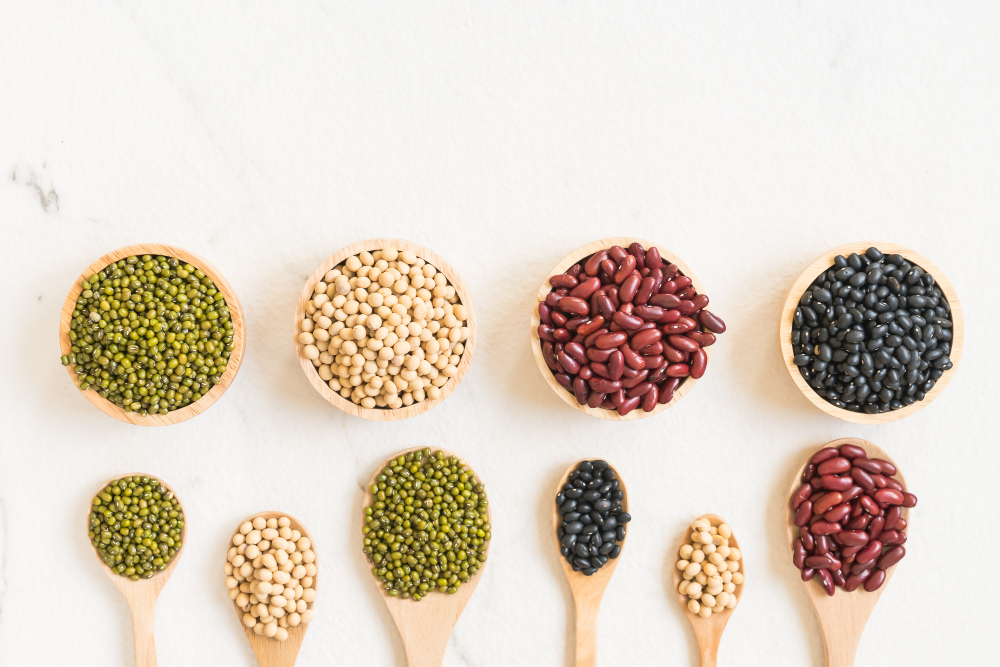
Further, it often stimulates anti-inflammatory pathways and acts as a first line of defense against pathogens. Fiber helps maintain remission and improves quality of life in IBD patients.
To consume, soak well and cook thoroughly. However, some may need to limit or avoid it during severe flare-ups if they cause gas or discomfort.
Also Read: 15 Healthy Japanese Food That Are Good for You
7. Avocados
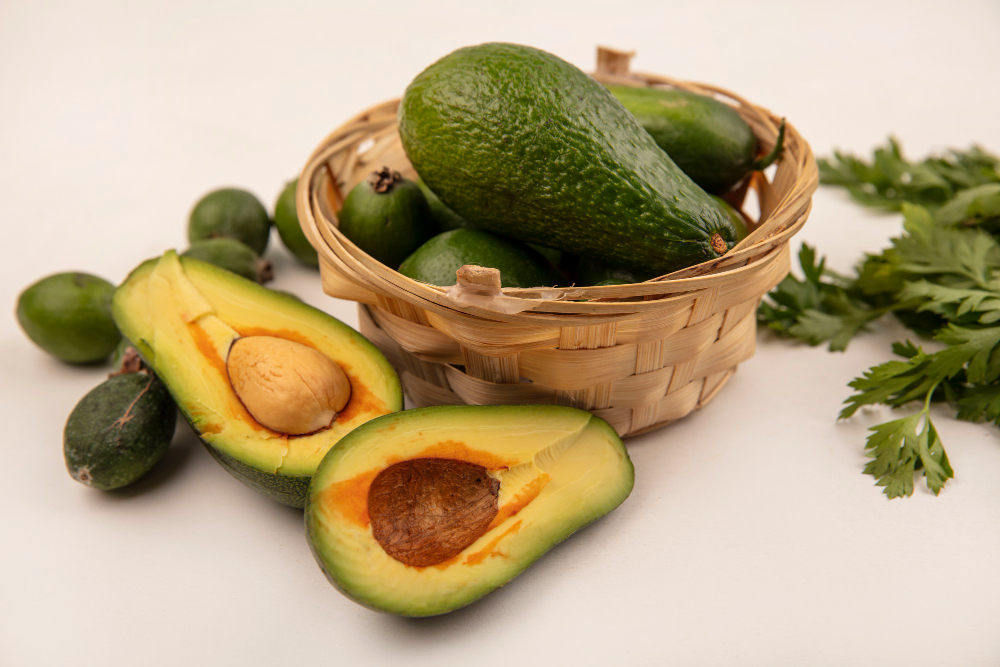
As one of the foods that heal colon inflammation, avocados are high in monounsaturated fats plus fiber and antioxidants. So, you can use avocado in place of more inflammatory fats such as red meat, full-fat dairy, and processed foods.
To consume it, you can mash, blend, or use it as spreads or in smoothies. It is important to start small if new to them.
8. Probiotic Yogurt / Fermented Foods
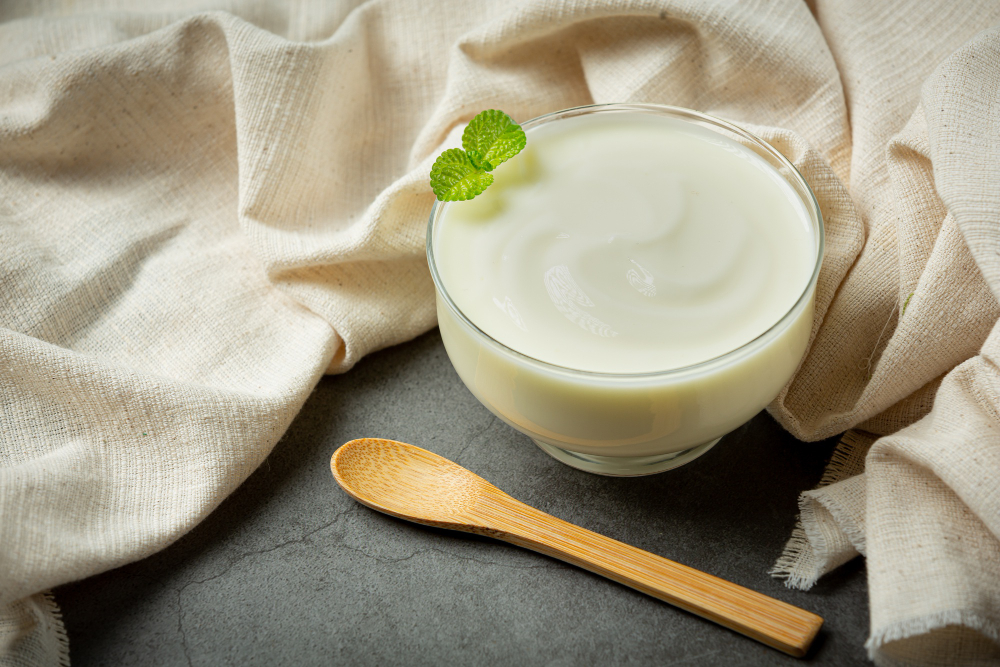
Fermented dairy or non-dairy yogurts can help restore gut microbiota balance, increase beneficial bacteria, support barrier integrity, and reduce overall inflammation. However, for better gut health, choose unsweetened, live-culture varieties.
Introduce gradually if you are just starting out. Sometimes exacerbations can happen, so monitor tolerance.
9. Ginger and Turmeric
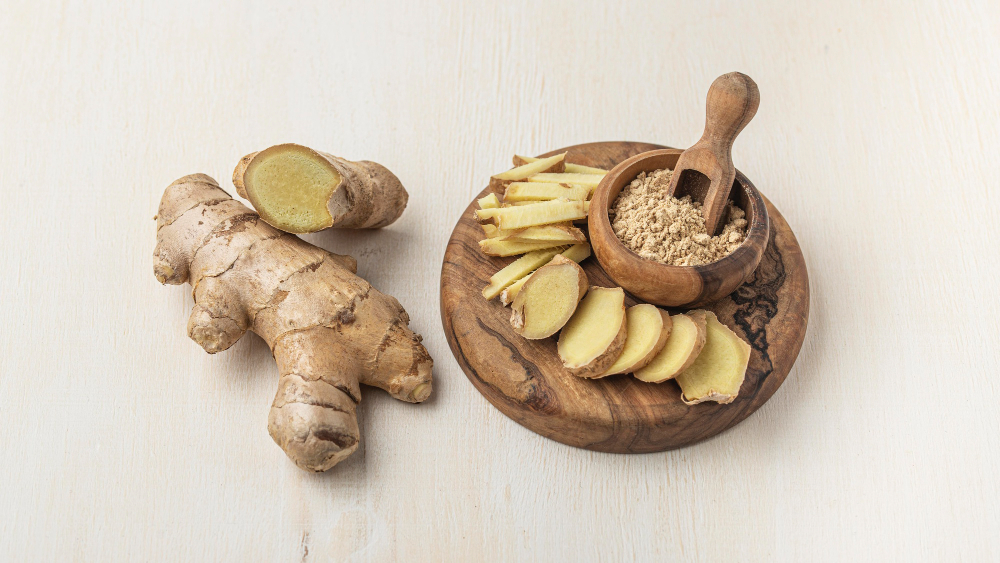
Both ginger and turmeric contain strong anti-inflammatory compounds. Recent study highlights a ginger-derived molecule (FDN) that binds PXR (a receptor involved in intestinal homeostasis) and alleviates gut inflammation.
Use fresh or powdered ginger and turmeric in cooking, home-made milk, teas and possibly supplements if dosage and safety approved by a health practitioner. However, be cautious with dosage especially if using other anti-inflammatory medications.
10. Bone Broth/Collagen-Rich Broths
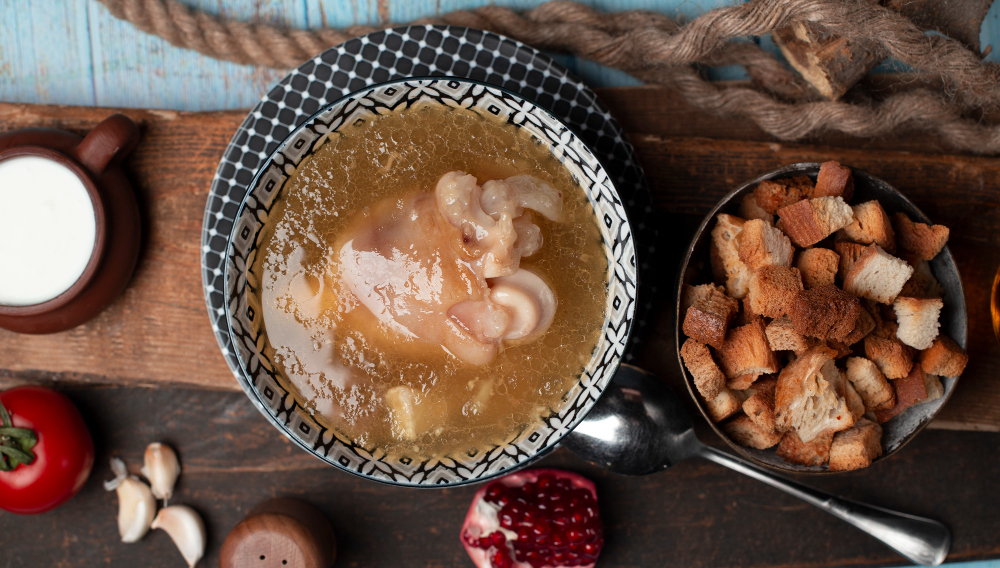
Collagen-rich broths provide amino acids like glycine and proline which may help with mucosal repair and maintaining gut lining integrity. Though high-quality clinical trials are fewer, nutrient-dense broths are often recommended in IBD dietary guides during flare recovery.
You can use it as a base for soups and sip it warm. However, avoid heavy spice or fat when inflamed.
11. Bananas (Green/Ripe)
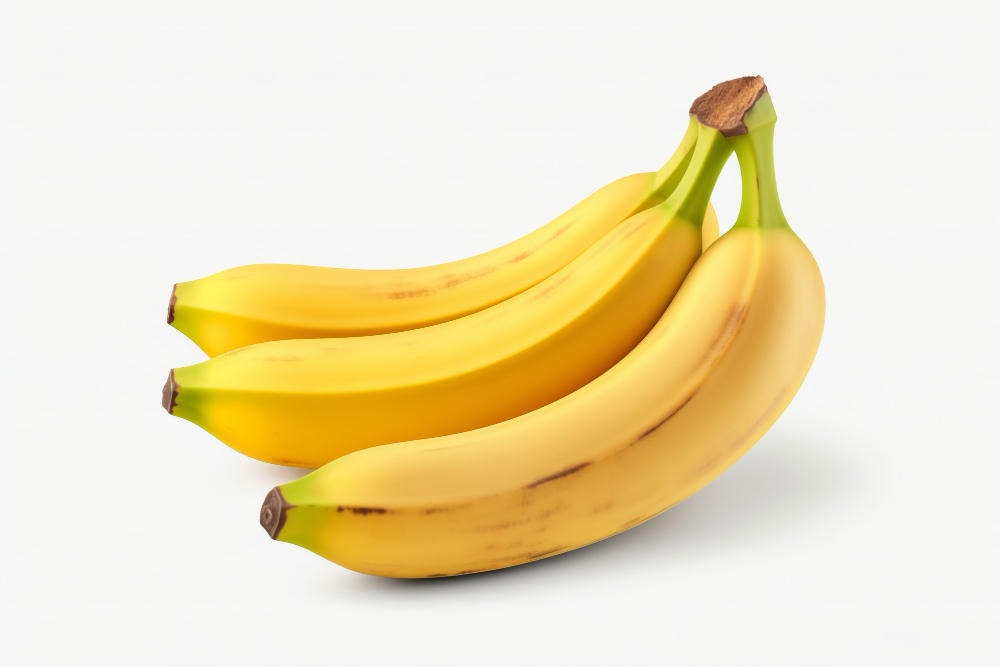
Ripe bananas are gentle, provide soluble fiber, and act as prebiotic for gut microbiota. On the other hand, green (less ripe) bananas have resistant starch which may help but might be harder to tolerate during active inflammation.
The best way to consume it is as it is, or use ripe bananas sliced or pureed.
Also Read: How to Eat Healthy in College: A Student’s Guide
12. Soft Root Vegetables (Carrots, Sweet Potatoes, and Parsnips)
Root vegetables are rich in carotenoids, fiber that is especially soluble when cooked, and vitamins. They are among the recommended vegetables during flares when softened.
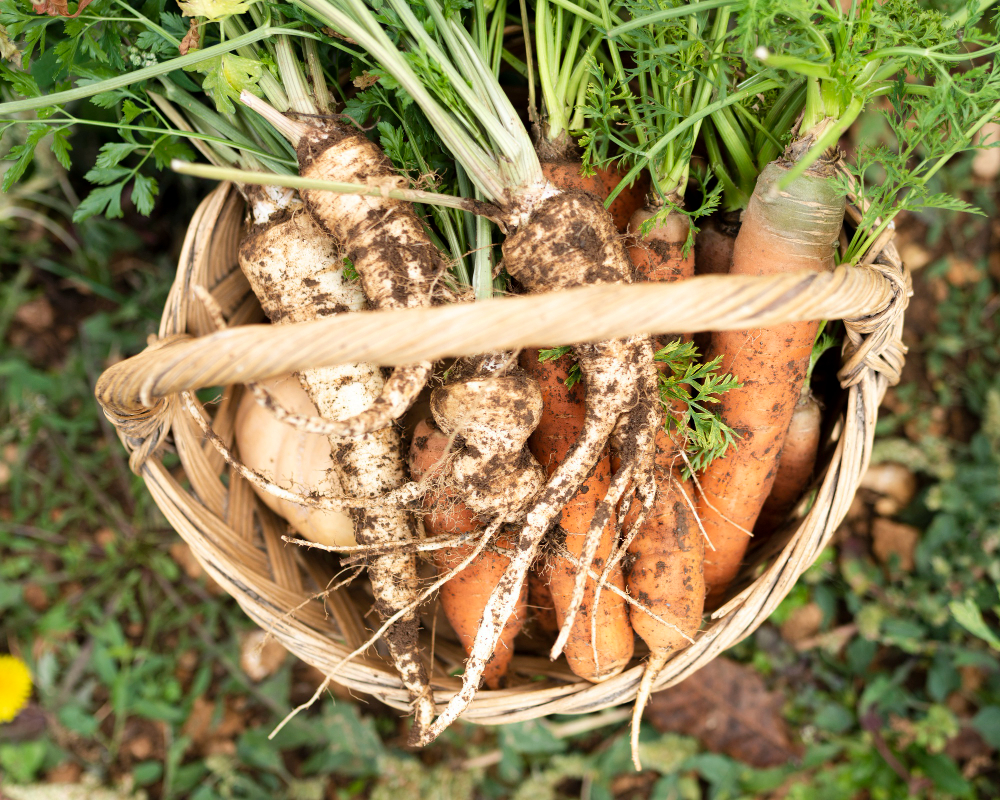
For best result, peel, cook until soft by steaming, boiling, or roasting. Mashed or pured if needed. Those processes make the vegetables easy to digest during active inflammation.
13. Oats and Gluten-Free Whole Grains
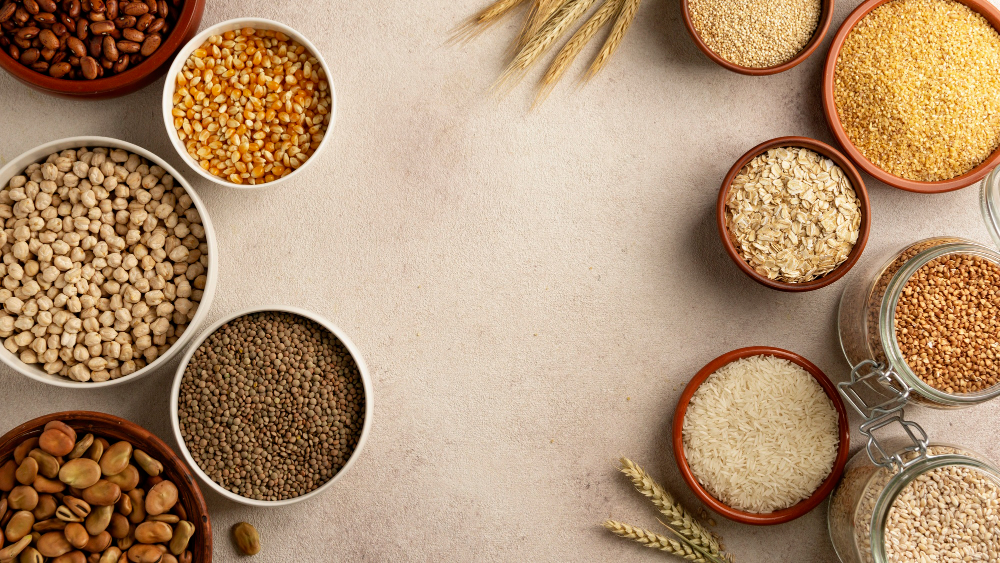
Whole grains can supply fiber, B vitamins, minerals, and resistant starch, if tolerated. Smoothed grains like oats may be better tolerated. To consume, soak oats, cook more than usual. Introduce whole grains slowly.
However, this food is not recommended during flare. Instead, low-fiber temporary diets may be needed.
14. Nuts & Seeds (Walnuts, Flaxseed, Chia, and Hemp)
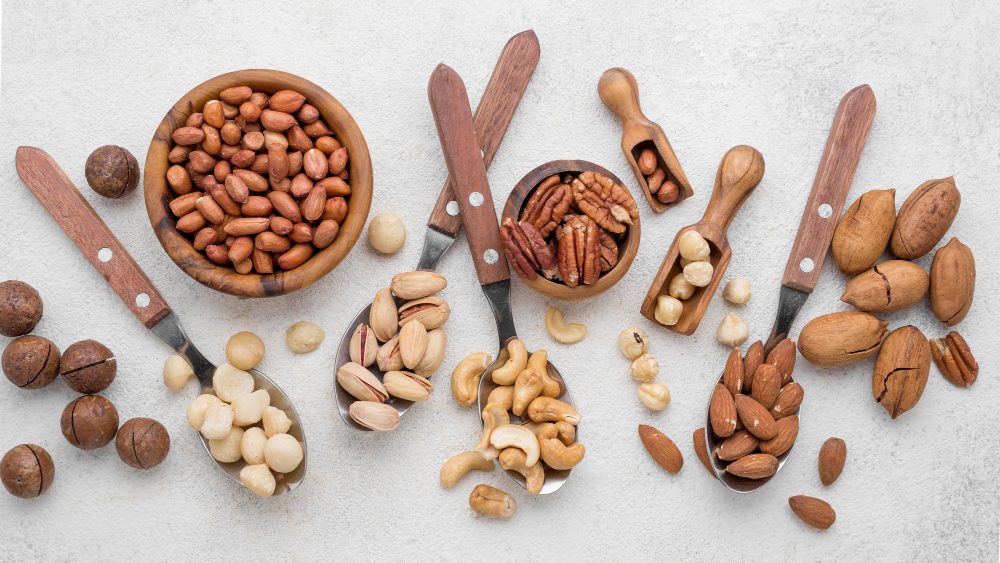
They contain healthy fats (omega-3), fiber, and antioxidants. Based on a research published in Nutrients Journal, in animal models, flaxseed oil is recognized as one of the foods rich in alpha-linolenic acid, and has confirmed the ability of ALA to alleviate colon inflammation.
To consume, grind or soak seeds to improve digestibility. Eat small amounts to avoid overburdening digestion. Walnuts can be finely chopped. While for flaxseed oil, do not use it heated.
15. Herbs & Spices (Garlic, Oregano, Thyme, Green Tea)
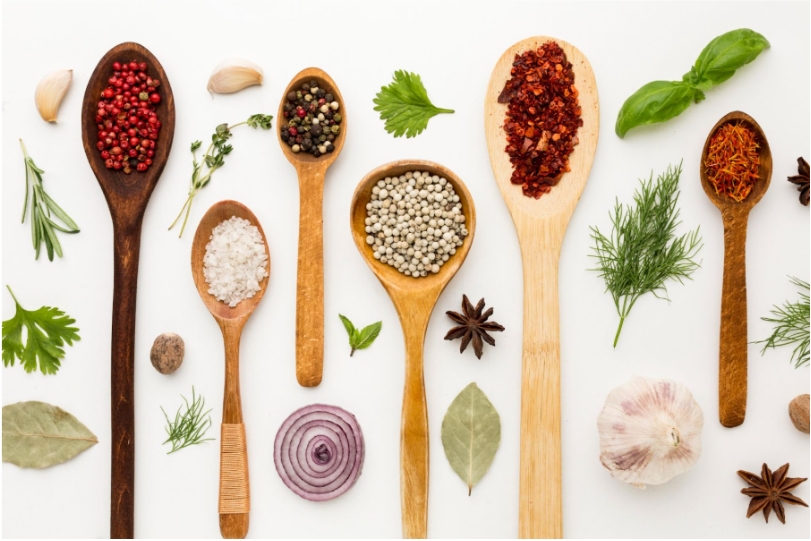
Herbs/spices are rich in polyphenols and compounds that modulate inflammation, oxidative stress, and microbial balance. For example, garlic and oregano have been identified in reviews of anti-inflammatory dietary compounds. While green tea contains catechins which also show benefit in many inflammatory conditions.
Those herbs can be used in food seasoning or teas, and best consumed when fresh or minimally processed.
Also Read: Top 10 Healthy Korean Foods that Taste as Good as They Look
Building Your Colon-Healing Plate
Healing your colon is about building a consistent pattern that emphasizes anti-inflammatory nutrients, diverse plant-based options, and high-quality fats, while limiting processed and irritating foods.
By integrating the 15 foods that heal colon inflammation discussed here, you can craft meals that not only soothe inflammation but also strengthen gut resilience over time. These choices can form the foundation of your healing plate.