
 By
By Healthy Japanese food is widely regarded as one of the healthiest cuisines in the world, thanks to its emphasis on fresh, seasonal ingredients and balanced nutrition. Rooted in tradition and simplicity, it focuses on natural flavours, light preparation methods, and portion control.
According to a survey, sushi ranks as the second most popular Japanese dish, favoured by 23% of respondents. This reflects a global appreciation for fresh, ocean-based foods that are not only flavourful but also rich in nutrients. This article introduces a variety of Japanese foods that offer both taste and health benefits.
Key takeaways
- Japanese cuisine emphasises whole, seasonal ingredients like fermented foods, lean proteins, and fibre-rich vegetables.
- Many traditional Japanese foods promote digestion, improve gut microbiota, and support cardiovascular health
- Staples like konjac, tofu, and edamame are low in calories yet packed with protein, fibre, and essential nutrients.
Healthy Japanese Food: 15 Must-Try Dishes
Try these 15 healthy Japanese foods for a delicious and nutritious experience.
1. Miso Soup
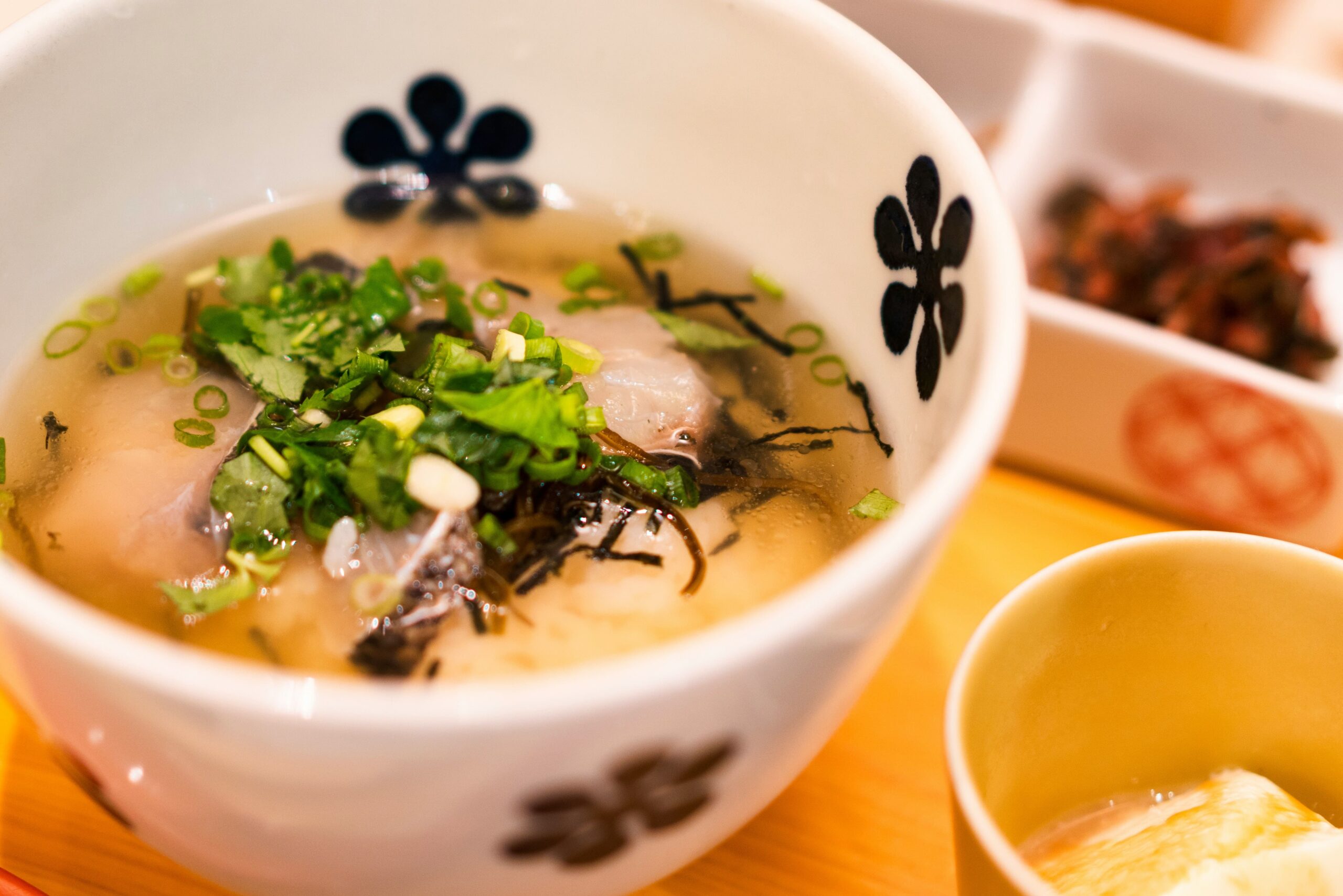
Miso soup is made from fermented soybeans and is loaded with key nutrients like protein, carbohydrates, and fats. What makes miso the best healthy Japanese food is the fermentation process, which enhances its nutritional value by generating all nine essential amino acids and a range of vitamins that contribute to a healthy body.
2. Sashimi
Sashimi is a classic element of Japanese cuisine, celebrated for its simplicity and health benefits. Rich in protein and omega-3 fatty acids, sashimi is also low in calories. Since it contains no added sugars or carbohydrates, it’s famous among those keeping an eye on their calorie or carb intake.
Also Read: How to Eat Healthy in College: A Student’s Guide
3. Edamame
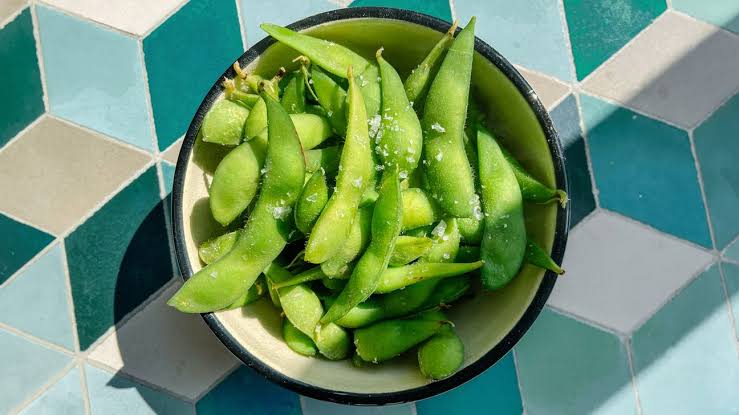
Edamame, the young and tender soybeans, are a popular and nutritious appetizer in Japanese cuisine. It also provides a good amount of dietary fiber and iron, which are essential for digestive health and energy levels. Naturally low in fat and cholesterol-free, edamame supports heart health and fits well into a balanced diet.
4. Soba
Soba noodles are a healthy Japanese staple made from buckwheat. These noodles are low in calories, rich in antioxidants, and provide all nine essential amino acids. It also offers nutrients like choline and thiamine, making it nutritious and easy to digest.
5. Yakizakana

Yakizakana, or grilled fish, is a traditional staple in Japanese cuisine and a highly nutritious option. A 100-gram serving typically provides 200–250 kcal, 20–25 grams of protein, and healthy fats, including omega-3 fatty acids. The nutritional value can vary depending on the type of fish and the seasoning used.
6. Shio Koji
Shio koji, a traditional Japanese seasoning made from fermented rice, salt, and koji mold, typically provides 80 to 193 kcal per 100 grams. Its nutritional content varies by brand, offering anywhere from 1 to 17.2 grams of protein, 2.6 to 42 grams of carbohydrates, and 610 to 3670 mg of sodium.
Also Read: How to Save Money in College: A Student’s Survival Guide
7. Natto
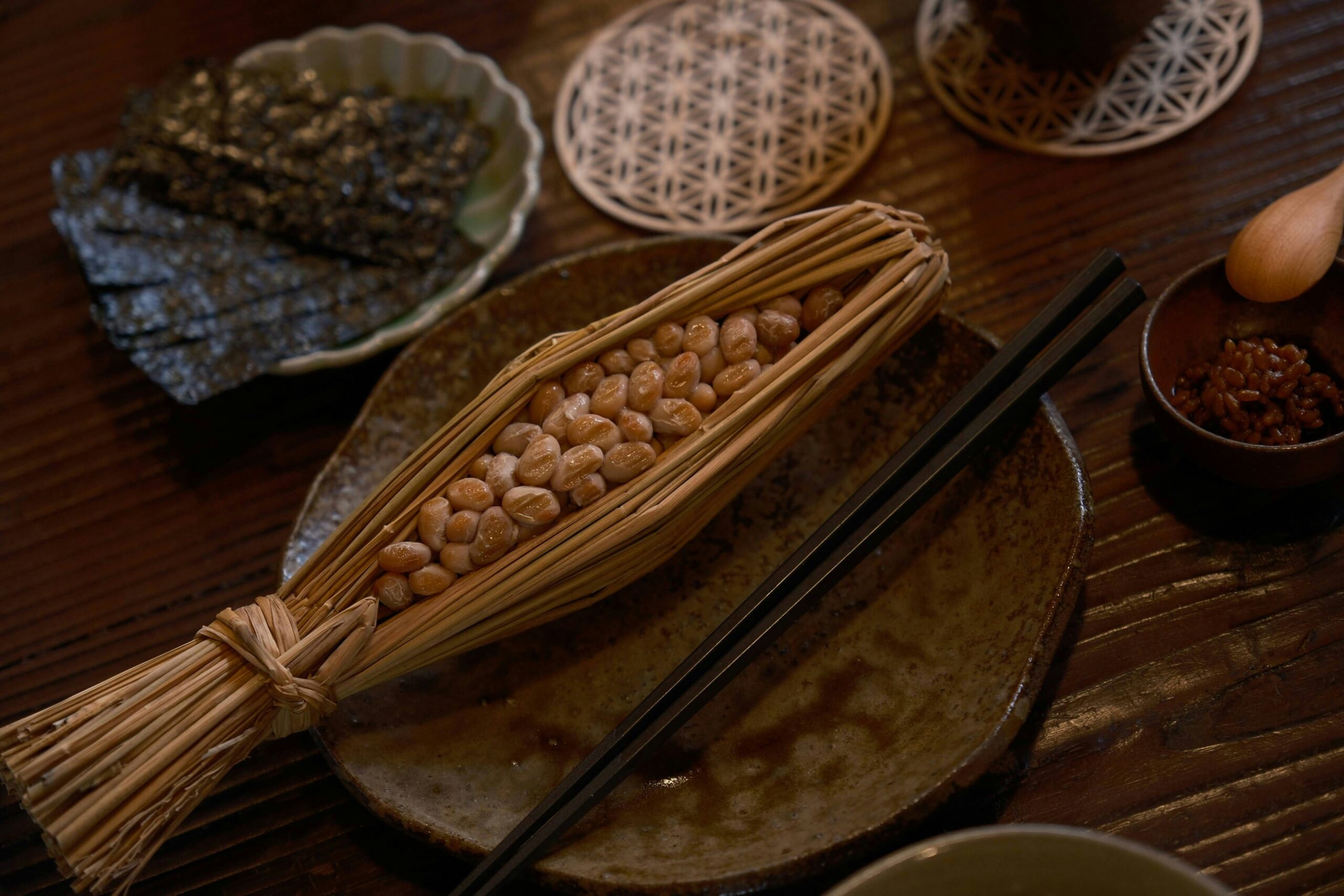
Natto is a traditional Japanese dish made from fermented soybeans, known for its strong smell, sticky texture, and unique flavour. It’s rich in probiotics that support gut and immune health, high in vitamin K2 for bone and heart health, and the best healthy Japanese food for weight loss.
8. Amazake
Amazake, a traditional Japanese drink made from fermented rice, is valued for its natural sweetness and minimal alcohol content, making it a comforting and nutritious beverage. This fermented beverage is rich in B vitamins, amino acids, and enzymes that support digestion, energy levels, and skin health.
9. Umeboshi

With a rich history that dates back to the samurai era, umeboshi, or intensely sour Japanese pickled plums, is considered a superfood in Japan. Umeboshi is rich in citric acid, which helps break down lactic acid to reduce physical fatigue and enhances calcium absorption, making it low calorie healthy Japanese food.
10. Okra
Okra, also known as ladies’ fingers, is a popular summer vegetable in Japan, valued for its unique sticky texture and health benefits. The stickiness is due to its high β-carotene content, which supports the immune system, promotes good vision, and helps maintain healthy mucous membranes.
In addition to its skin-boosting and anti-aging properties, okra is a great choice for those with anemia. Its high folic acid content can help the body produce red blood cells and maintain energy.
Also Read: Top 11 Meditation Tools for Beginners to Deepen Your Practice
11. Daikon
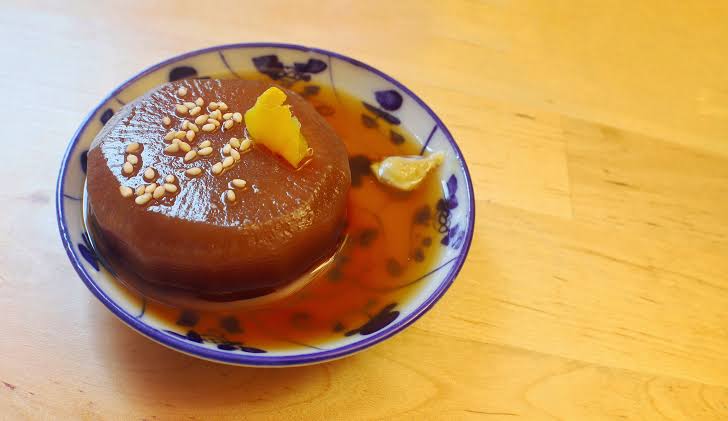
Daikon is a white, radish-like root vegetable commonly used in Japanese cuisine. Low-calorie but rich in nutrients, it’s a healthy addition to any diet. Daikon provides a good amount of vitamin C, fiber, and digestive enzymes.
All parts of the daikon plant are edible and can be enjoyed raw, pickled, or cooked. With its wide range of health benefits and culinary uses, it has become a staple ingredient in soups, stews, and salads both in Japan and internationally.
12. Tofu
In Western countries, tofu is often viewed as a meat alternative, but in Japan, it’s commonly enjoyed as a side dish. It contains linoleic acid, which supports heart health by helping to lower cholesterol and blood pressure, while also reducing the risk of arteriosclerosis.
13. Konjac
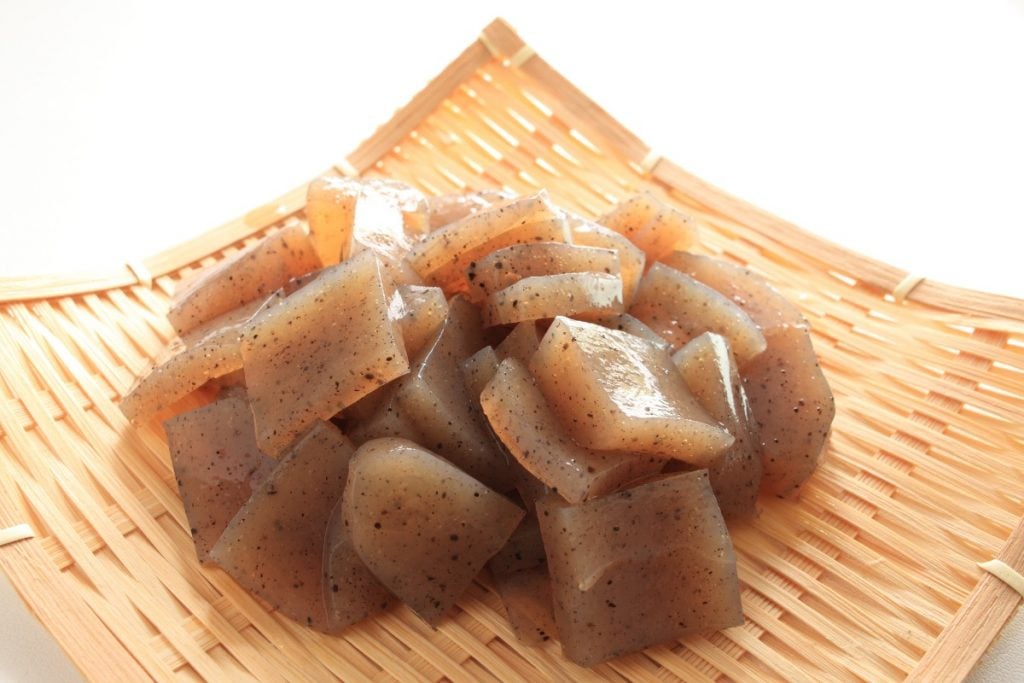
Konjac, also known as konnyaku, is a traditional Japanese food made from the root of the konjac potato plant. It’s extremely high in fiber and very low in calories, just around 20 per serving. That makes it healthy Japanese food for your diet.
14. Goya
Goya, also known as bitter melon, is a staple in Okinawan cuisine and well known for its strong, bitter flavour. Its bitterness comes from compounds, which have been linked to lowering blood sugar and supporting digestive health. Goya is also rich in vitamin C, essential for collagen production, and high in folic acid.
15. Renkon
Lotus root, or Renkon, is the edible rhizome of the lotus plant, prized in Japanese cuisine for its crisp texture and mildly sweet, nutty flavour. Often used in stir-fries, soups, and salads, it adds both crunch and nutrition to meals.
Renkon is rich in vitamin C, which strengthens the immune system, and contains plenty of dietary fiber to support digestion. It’s also a good source of potassium, helping to regulate sodium levels and maintain healthy blood pressure.
Also Read: 8 Innovative Time Management Techniques You Must Know
Now You Know Healthy Japanese Food!
Healthy Japanese food is rooted in balance, seasonality, and the natural health benefits of simple, whole ingredients. It emphasises fermentation, plant-based nutrients, and mindful preparation to support digestion, energy, and overall well-being.