
 By
By Learning how to get your mind off something begins with taking deliberate steps rather than waiting for unwanted thoughts to fade. Redirecting your focus can ease emotional tension, restore a sense of balance, and create space for a clearer mind. Here, we have gathered effective ways to achieve the peace of mind that you want.
Key takeaways
- Engaging in activities like exercise, brain games, journaling, or mindfulness can shift attention away from stressors and promote clarity.
- Consistent physical activity, quality sleep, and gratitude practices contribute to better mood and resilience against chronic stress.
- Surrounding yourself with uplifting people and limiting exposure to negative triggers (like constant news or reminders of stress) fosters a healthier mindset.
Also Read: 8 Innovative Time Management Techniques You Must Know
How to Get Your Mind Off Something
Start these small ways to get your mind off something and give yourself a decent, home-based mental health care.
1. Exercise

This can be your best way to get your mind off something ugly. Regular physical activity helps reduce stress, ease anxiety, and lower the risk of depression. Staying inactive often allows the mind to dwell on worries, while exercise breaks that cycle and promote better mood, energy, and overall mental well-being.
According to PMC’s research, physical activity supports better sleep and can improve a range of psychiatric conditions. Regular exercise is linked to enhanced mood and overall quality of life. Studies also suggest that exercise and yoga may help manage substance cravings, particularly for those with limited access to other therapies.
Find an activity that you truly enjoy and make it part of your routine. Learning new movements keeps your mind engaged and distracts you from persistent or unwanted thoughts.
2. Start Your Hobbies or Find a New One
Do you enjoy writing, drawing, hiking, or painting? Making time for hobbies is also a how to erase something from your mind. When you immerse yourself in an activity you love, worries often fade into the background.
Exploring new hobbies can be equally rewarding. Trying activities like photography, cooking, or learning an instrument not only engages your mind but can also help you meet new people or even create opportunities to earn extra income.
3. Meditation
Mindfulness, rooted in ancient Asian traditions but practised secularly in the West, is widely recognised for reducing stress, anxiety, depression, and chronic pain. It trains the mind to stay in the present, preventing it from dwelling on the past or future.
To practise mindfulness meditation, focus on your breath as you inhale and exhale. Gently bring your focus back to your breath whenever your mind starts to wander. With consistent practice, you strengthen your ability to stay present and reduce unhelpful rumination.
Also Read: Top 11 Meditation Tools for Beginners to Deepen Your Practice
4. Social Activity
Every social interaction provides a valuable opportunity to learn new perspectives, develop your skills, and grow as an individual. Saying yes to casual hangouts or networking events can help build confidence, expand connections, and gently push you beyond your comfort zone without overwhelming pressure or expectation.
Start with small, realistic goals, such as staying for a set time or speaking to one new person. Having a simple exit plan can make socialising feel less daunting, giving you control and reassurance while still creating room for positive experiences.
5. Spend Time with Positive People

Spending time with positive people can greatly influence your mindset, helping you build healthier emotional habits. Their optimism often rubs off, gradually encouraging more hopeful thinking and helping you see challenges as opportunities rather than obstacles. This shift can have a lasting impact on your outlook.
6. Reframe Your Thought
Thought reframing, often used in cognitive behavioural therapy (CBT), helps challenge the validity of persistent worries. Many rumination triggers, such as fearing your boss will fire you, are assumptions and not facts. Evaluating them objectively can reveal that they are often unfounded or exaggerated.
Also Read: How to Meditate in Bed for Better Sleep and Reduce Anxiety
7. Hide Your Triggers
Identify and hide your triggers when possible. If work stresses you, put away your laptop, phone, or overdue bills. After a breakup, remove reminders of that person. Reducing exposure makes it harder for worries to dominate your thoughts and emotions.
While some triggers cannot be avoided, recognising them is key. News, for example, is often sensationalised and can heighten anxiety. Understanding what sparks distress helps you respond more effectively and gradually regain a sense of control.
8. Journaling
Writing down your emotions in a journal helps release intense feelings and provides a healthy way to clear your mind. Putting thoughts on paper allows you to process them instead of letting them linger and weigh on you mentally.
If you feel uneasy keeping your words, you can destroy the pages afterward. Some people even burn them as a symbolic act of release, helping to let go of lingering emotions and move forward with greater clarity.
9. Try a Puzzle or Brain Game
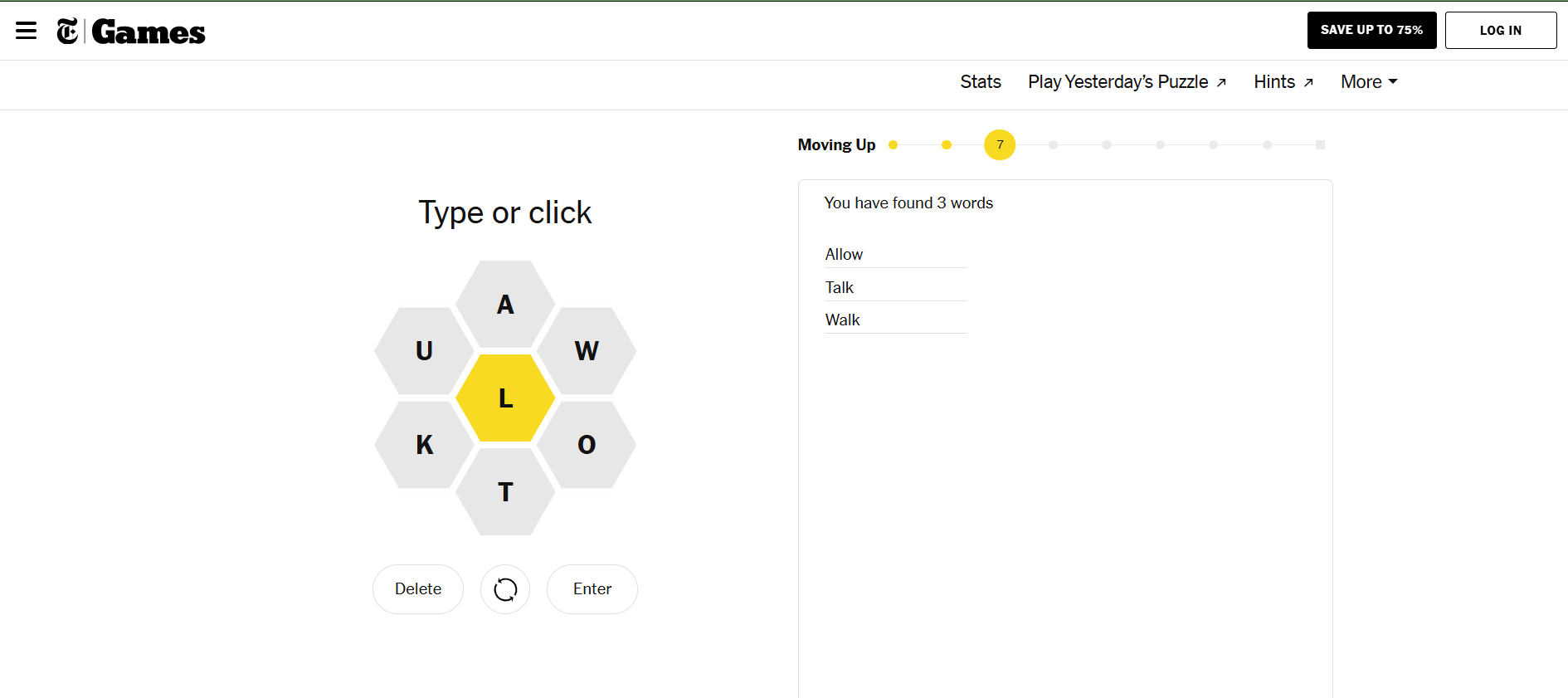
Playing brain games is an effective way to redirect your focus. When your mind is fully engaged in a challenging task, obsessive thoughts have less space to take over, offering a simple mental break from persistent worries or frustrations.
Options include Sudoku, crosswords, word searches, or even the New York Times Spelling Bee. Games like these provide both entertainment and mental stimulation, helping you stay present while giving your brain a healthier, more productive outlet.
10. Practice Gratitude
Focusing on gratitude helps reduce the impact of negative thoughts or events. By highlighting what is going well, you can shift attention away from worry and create a more balanced perspective, even when life feels challenging or uncertain.
Try simple practices such as writing three things you are grateful for, keeping a gratitude journal, taking a gratitude walk, expressing thanks to someone, or creating a list of simple pleasures that bring you daily joy.
Also Read: Best Life Coach Certification Programs in 2025
Tips to Manage Stress and Get a Better Life!
- Take breaks from the news and social media to avoid constant negative information.
- Try deep breathing, stretching, meditation, or other calming activities, and focus your diet on fruits, vegetables, lean protein, whole grains, and low-fat dairy.
- Aim for 7 or more hours per night with consistent sleep routines and aim for 2½ hours of physical activity weekly, broken into 20–30 minute sessions.
Mix Your How to Get Your Mind Off Something for Better Results
Getting your mind off something often requires intentional action instead of waiting for thoughts to fade. Mixing exercise, mindfulness, hobbies, gratitude, and connecting with others can all redirect your focus, ease emotional strain, and help restore balance over time.