 By
By According to research, effective time management has been shown to strengthen self-control and increase study engagement, while also reducing reliance on mobile phones. Time management activities provide interactive and practical ways to explore how time is used in daily tasks. For that reason, we’ve compiled a range of the activities that are designed to help you stay focused and productive.
Key takeaways
- Time management activities help individuals and teams prioritise tasks, stay focused, and complete work efficiently.
- Many exercises promote teamwork, strategic planning, and effective communication, enhancing both productivity and group cohesion.
15 Samples of Time Management Activities
Help yourself to stay organised and complete your work more effectively by training yourself in engaging with the following time management habits.
1. Delegation of Tasks
Picture a scenario where you have a new team member and an observer present. You assign some of your tasks to the new team member as a way to manage your time more effectively. While you practise delegation, the observer uses a checklist to evaluate how well you distributed your workload.
This activity strengthens team coordination and collaboration and helps you prioritise tasks, reduce workload pressure, and free up time for higher-value responsibilities.
Also Read: 8 Innovative Time Management Techniques You Must Know
2. Pomodoro Sessions
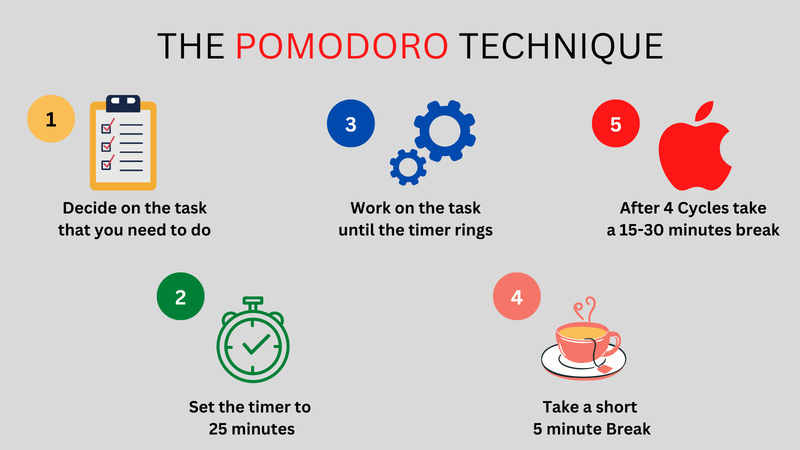
The Pomodoro Technique is an effective time management approach that structures tasks into 25-minute focused work sessions followed by 5-minute breaks. After four cycles, take a 20-minute break.
This is one of the best time management activities for college students structured rhythm that supports efficient task completion without overwhelming your energy levels.
Using the Pomodoro Technique helps manage stress, reduce procrastination, and maintain focus.
3. How Long is One Minute
This simple time management training activity is ideal for starting sessions and sparking awareness about time perception. All you need is a timer to measure one minute while participants close their eyes and sit down when they think the minute has elapsed.
After everyone sits, start a discussion about how each person perceived the minute differently. Explore when time feels fast or slow for them, introducing how passion, focus, and engagement can influence productivity and overall time management.
4. The Big Picture Challenge
This collaborative activity boosts creativity and teamwork by encouraging participants to plan, coordinate, and communicate as they create a shared masterpiece. Each group works on a canvas segment, aligning colours and lines to form one unified artwork.
The exercise develops communication, planning, and a “big picture” mindset, and serves as a reminder of what can be achieved through collaboration and collective effort.
5. Build a Puzzle

Divide participants into several teams and provide each group with a jigsaw puzzle. Some teams receive the final image for reference, while others complete the puzzle without it. Once everyone finishes, invite them to share how long it took, how challenging it felt, and why.
This exercise illustrates how having a clear vision makes tasks easier and more efficient, helping team members recognise their contributions, stay motivated, and improve their time management skills.
Also Read: Top 8 Best Time Management Tools to Always Stay on Track
6. $86,400
Imagine being given $86,400 each morning to spend however you wish, with one rule: you cannot save it, and any unused amount disappears by night. This simple exercise mirrors the 86,400 seconds we have every day.
Just like money, time cannot be saved or carried over; once it’s gone, it’s gone. This reflection helps you learn to prioritise what truly matters, improve time management, and make each day more meaningful and intentional.
7. The Time Jar
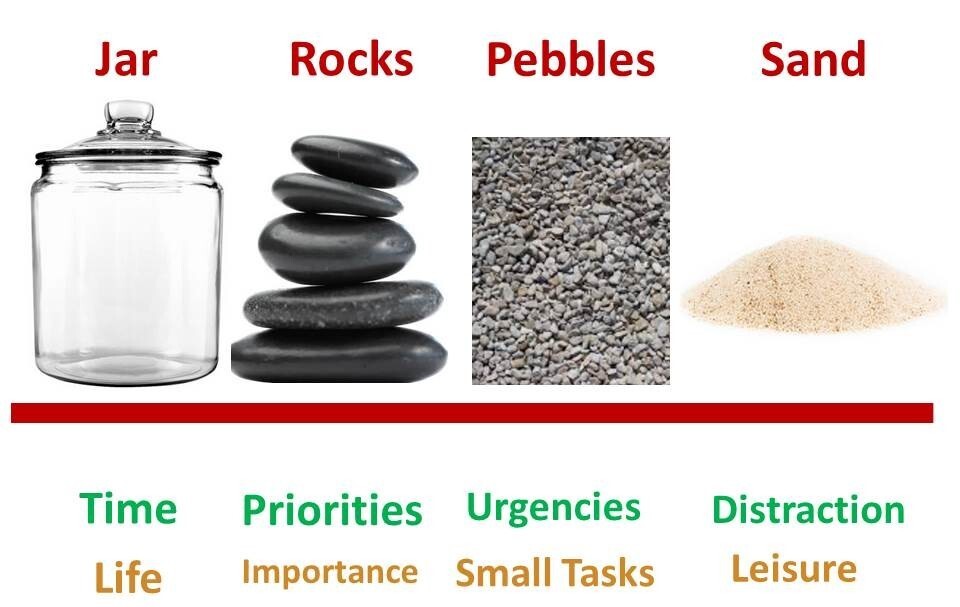
Use a jar as a visual tool to demonstrate prioritisation in time management, and this is the best time management activities for high school students. Start by filling it with sand to show how little else fits. Then, remove the sand and add large rocks first, followed by smaller rocks, gravel, sand, and water.
This illustrates how placing significant tasks first creates space for smaller ones. It helps teams focus on priorities, manage time effectively, and organise minor tasks around essential responsibilities for better productivity.
8. Sort The Cards
Split participants into teams and provide each with a deck of cards. Their task is to arrange the cards in a specific order as fast as possible. Allow five minutes for planning and practice before three competitive rounds begin. This activity highlights the importance of preparation, strategic thinking, and effective delegation.
9. The Money Value of Time
In a one-hour session, especially for business professionals, introduce the concept of the “money value of time” by having participants categorise their tasks into cost and profit centres, then focus on high-value activities that deliver the greatest personal and organisational benefits.
Also Read: 10 Useful Tips on How to Save Money From Salary Consistently
10. Gathering Blocks

Scatter various coloured blocks, set a one-minute timer, and have participants collect them using their non-dominant hand. Participants pick up blocks one at a time using their non-dominant hand. After scoring, repeat with colour-based point values. Talk about how strategies changed and link it to prioritising for time management.
11. What Did You Do Yesterday
This short time management activity encourages participants to reflect on how they spend their time. They begin individually, writing down five accomplishments from the previous day and one wasteful activity that did not add value or support their goals.
After five minutes, have participants pair up to share and compare their lists with each other. Talking about achievements helps boost confidence and highlight productivity, while identifying a wasteful task opens a conversation about recognising time-wasters and finding ways to eliminate or reduce them in the future.
12. Calibrate Your Internal Clock
Have participants monitor their activities over 24 hours, using a notebook or app to record what they do each hour. Then, have them rate their productivity at different times. Encourage them to identify peak energy periods and plan tasks when they are naturally most productive.
13. Circadian Rhythms
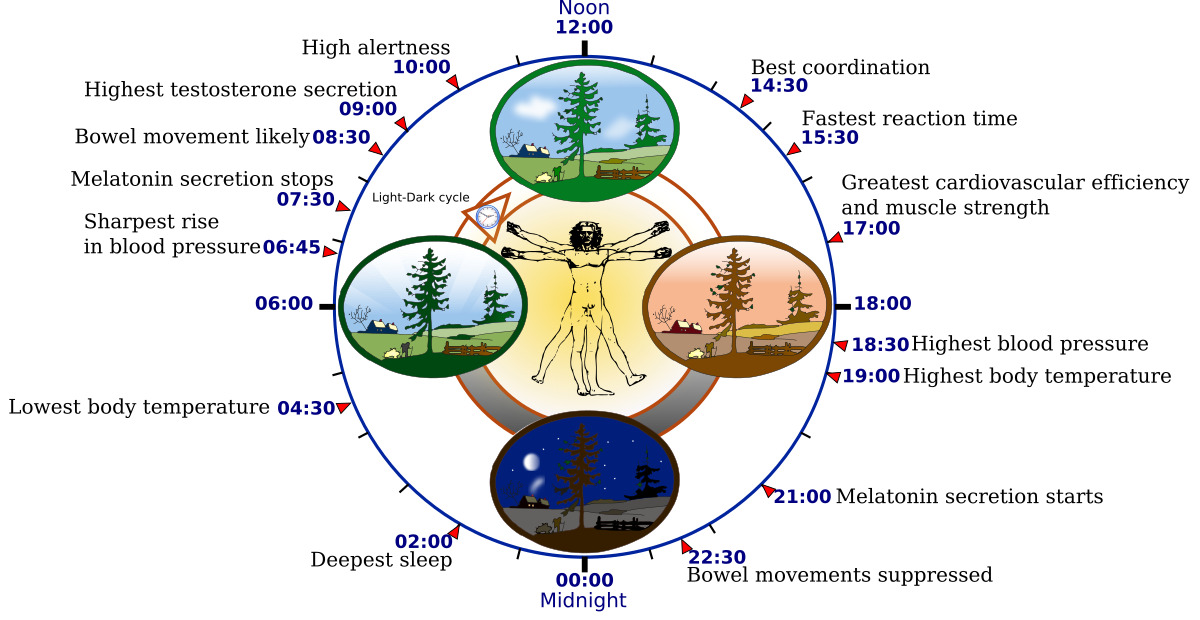
In this activity, each participant receives a sheet with hourly blocks to record their current energy levels, such as “on fire,” “at 70%,” or “slowing down.” This helps them identify productivity peaks and plan their time more effectively.
14. Paper Boat
Form teams of four to five participants and appoint a leader for each group. Leaders learn how to build a paper boat, then return with four sheets to guide their team in creating 40 identical, standing boats within 15 minutes.
After the task, debrief by discussing leadership clarity, role allocation, planning, and teamwork under pressure. Reflect on whether the focus was on quality or speed and relate the exercise to organisational work, communication, and time management practices.
15. Time-Wasters Identification
Participants form small groups to list common time-wasters like social media, procrastination, or unnecessary meetings. They brainstorm solutions, share ideas, and discuss strategies to reduce distractions. This activity raises awareness and encourages practical, proactive approaches to improve time management effectively.
Also Read: How to Start a Life Coaching Business: Step-by-Step Guide
Making the Most with Time Management Activities
Time management activities help individuals and teams become more aware of how they spend their time, identify distractions, and develop strategies to work more efficiently. These exercises promote planning, prioritisation, and focus, leading to improved productivity, reduced stress, and better work-life balance.