
 By
By Have you ever heard of empowerment coaching? Or, do you wonder how it differs from other types of coaching? This article provides a complete overview of what empowerment coaching is, its key benefits, and practical steps on how to become an empowerment coach.
Key takeaways
- Empowerment coaching helps individuals build confidence, overcome self-limiting beliefs, and take control of their lives.
- It focuses on developing practical strategies, improving decision-making, and creating meaningful personal and professional growth.
- Aspiring empowerment coaches can succeed by honing communication skills, gaining experience, and building a strong personal brand.
What is Empowerment Coaching?
The term refers to a specialized form of coaching focused on helping individuals gain self-confidence, develop a sense of personal power, and take control of their lives. This supports clients in various areas, including career, relationships, personal development, and overall well-being.
While life coaching often emphasizes creating a vision and setting goals, this coaching type specifically focuses on breaking through internal barriers that prevent individuals from reaching their full potential.
Also Read: Life Coaching vs Therapy: Understanding the Key Differences
5 Main Benefits of Empowerment Coaching
According to a survey conducted by Happy Mindset Inc., 87% of 350 respondents across the United States and Canada reported feeling stuck at some point in the past three months. For that reason, this coaching serves as a powerful way to improve your life. Follow these empowerment coaching benefits, which may become your lifesaver.
1. Building Confidence
This specialized coaching enhances self-confidence by helping individuals recognize their strengths, foster a positive mindset, and break through self-limiting beliefs that might be holding them back. It also provides practical strategies and ongoing support to take meaningful action and achieve their personal and professional goals.
2. Enhance Decision-Making Skills
Coaching focusing on empowerment promotes critical thinking and problem-solving by guiding clients to evaluate options and consider potential consequences. This process helps individuals make more informed decisions that align with their values and aspirations.
3. Improved Goal Setting
Empowerment coaches help clients set clear, achievable goals and develop action plans to reach them, which are expected to help enhance motivation, sharpens focus, and provides a stronger sense of direction.
4. Achieve Work-Life Balance
Finding balance often becomes more challenging amidst the hectic world era. Empowerment coaching supports individuals in identifying their priorities and setting boundaries, enabling them to manage personal and professional commitments more effectively.
5. Improves Relationship
Coaching enables individuals to cultivate healthier and more fulfilling relationships. It supports them in improving communication skills, developing empathy, and forming stronger, more meaningful connections with others.
Also Read: Marketing Life Coaching: 15 Proven Hacks for Client Attraction
When Should You Join Empowerment Coaching
- Feeling stuck in repetitive patterns of self-sabotage can be a strong sign that you need it.
- Struggling to speak up at work in relationships often points to the benefits of working with a coach.
- Experiencing impostor syndrome despite clear achievement highlights the value of building deeper self-belief.
- Wanting to make a significant life change but feeling paralysed by fear is a moment where coaching can provide clarity and courage.
- Reaching a career plateau and being unable to break through signals the need for fresh strategies and support.
- Constantly seeking external validation suggests it may be time to strengthen inner confidence through coaching.
What to Expect from An Empowerment Coaching Session

The session aims to provide the tools, mindset shifts, and support you need to unlock your full potential. It will walk you through the key benefits, practical takeaways, and steps to make the most of your coaching journey.
1. Active Listener
Empowerment coaches listen attentively to understand not only what you say, but also what lies beneath the words. Through thoughtful and powerful questioning, they help you uncover hidden beliefs, clarify your goals, and gain fresh perspectives.
2. Reframing Negative Self-Talk to Empowering Beliefs
Many people struggle with inner criticism that holds them back. Coaches guide you in identifying these negative patterns and transforming them into positive, empowering beliefs that foster self-confidence and motivation.
3. Breaking Down Big Dreams into Simple Steps
Large goals can feel overwhelming and discourage progress. This coaching session helps clients break these ambitions into smaller, achievable steps, making it easier to stay motivated and move steadily toward success.
4. Providing Accountability Progress
Having someone to hold you accountable increases commitment and consistency. Coaches not only track clients’ progress but also celebrate milestones, reinforcing confidence and keeping motivation high throughout the journey.
5. Managing Your Challenge
Empowerment coaching equips clients with practical tools and strategies to navigate and overcome obstacles. Coaches offer consistent support during difficult times and guide clients to reframe challenges as valuable opportunities for growth and self-improvement.
Also Read: How to Start a Life Coaching Business: Step-by-Step Guide
How to Become an Empowerment Coach
This path requires developing strong communication skills, building self-awareness, and gaining the right training to support clients effectively. In this section, you’ll find an empowerment coaching guide on the essential steps to start your journey as an empowerment coach.
1. Get Certified
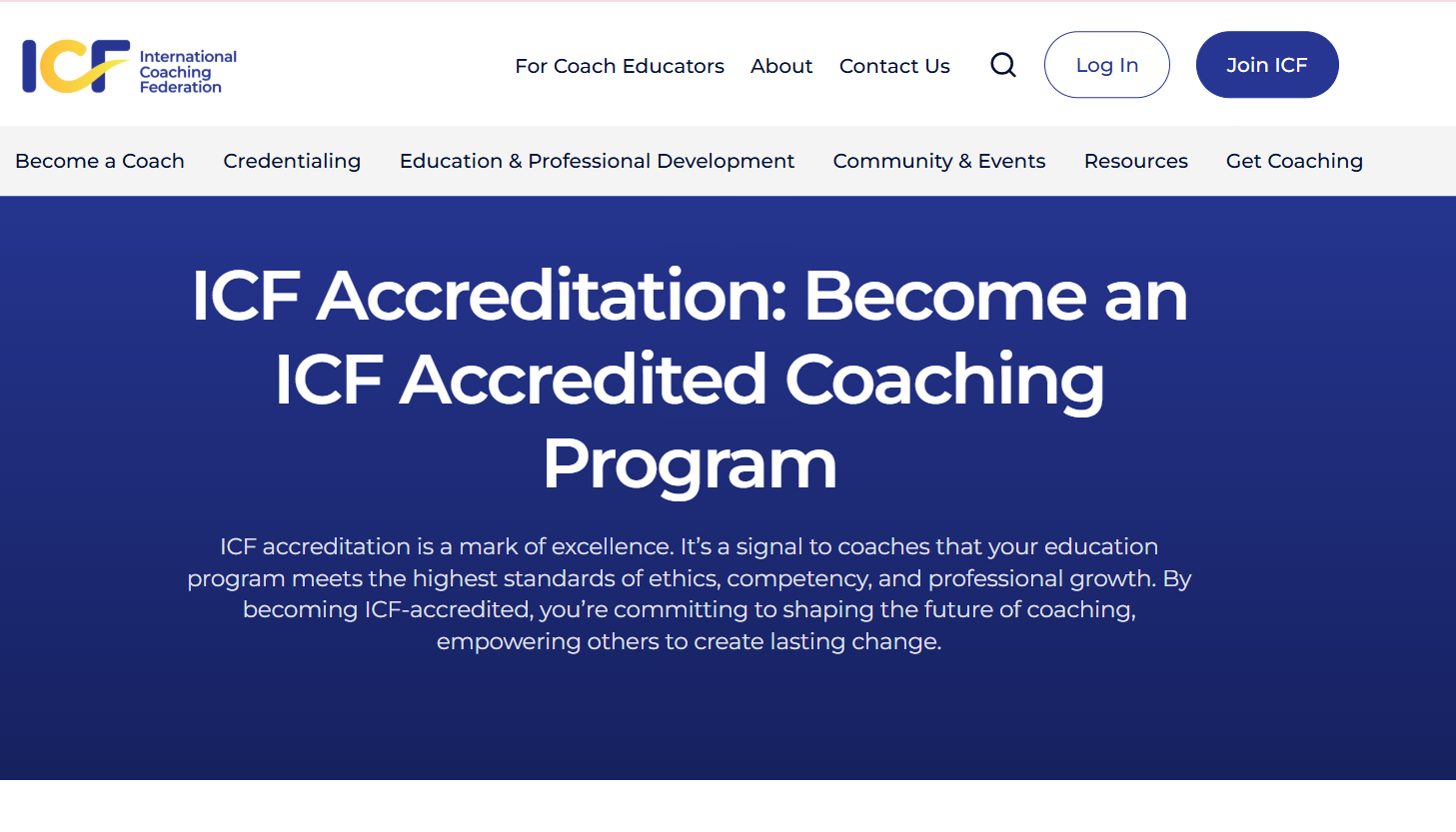
While certifications are not strictly required to become an empowerment coach, they can significantly enhance your credibility and strengthen your skills. It is recommended to choose programs such as the International Coach Federation (ICF) or the International Association of Coaching (IAC).
2. Develop Your Skill
Hone your communication, listening, and empathy skills, as these are vital for creating strong connections with clients. Developing these abilities helps build trust and rapport, which form the foundation of effective empowerment coaching.
3. Plan Your Coaching Style
Your coaching approach should reflect your values, personality, and unique needs. Consider whether you prefer a structured style or a more intuitive approach that adapts to each session. Whatever you decide, having a clear approach ensures consistency, helps attract the right clients, and strengthens your overall impact.
4. Market Yourself
Create a professional website, build a presence on social media, and develop a strong personal brand that reflects your coaching style. Highlight your expertise, share valuable content, and engage with your audience to establish credibility and attract potential clients who resonate with your message.
5. Gain Experience
Practice coaching friends, family, or volunteer clients to gain experience, build confidence, and refine your techniques in a supportive environment. Additionally, seeking mentorship from experienced coaches can provide valuable guidance, feedback, and insights to help you grow more quickly in your coaching journey.
Also Read: Best Life Coach Certification Programs in 2025
Empowerment Coaching: A Personal Growth Strategy
Empowerment coaching helps individuals build confidence, overcome limitations, and create meaningful change. For aspiring coaches, possessing communication skills and gaining experience are essential. This becomes a powerful tool to unlock potential and impact lives.