
 By
By AI tools for product managers are revolutionizing how teams handle market research, user data, and product roadmaps. According to Founders Forum Group, 35% of businesses have fully deployed AI in at least one function, while 42% are experimenting with AI tools. Clearly, AI is becoming essential for modern product management.
Yet, 13% of businesses still have no AI integration at all. This means the opportunity to get ahead is huge. Curious what AI tools can give your product strategy an edge? Let’s dive more deeply into this discussion!
Key Takeaways
- AI tools for product managers accelerate data analysis tasks efficiently.
- These tools prioritize product features based on user feedback.
- Integrating AI improves team collaboration and decision-making speed.
10 AI Tools for Product Managers to Track, Analyze, and Plan
We’ve listed the best AI tools for product managers that can transform the way you track progress, analyze user data, and plan your product roadmap. Follow through!
1. Google Gemini
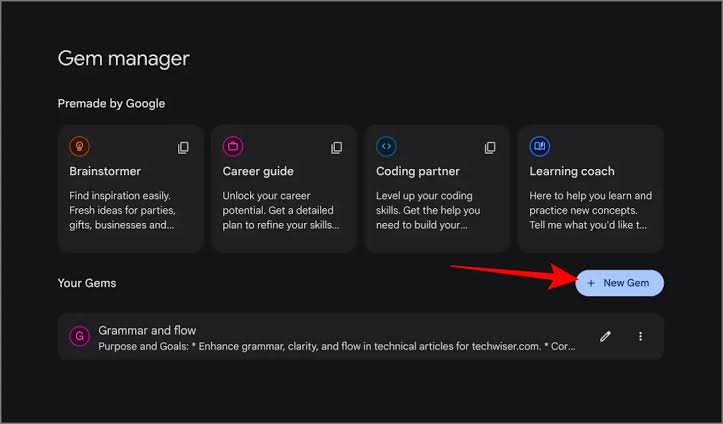
Google Gemini helps product managers track trends and analyze markets quickly. It integrates with Google Docs, Sheets, and Slides for seamless automation. For instance, teams can generate project briefs and monitor trends without manual effort. This reduces repetitive tasks and saves time for managers.
Beyond trend tracking, Gemini organizes project data and budgets efficiently. It creates concise reports for team alignment and better decisions. By doing so, managers spot opportunities early and respond strategically. Overall, workflow efficiency is significantly enhanced.
Also Read: 10 Powerful AI Tools for E-commerce to Personalize Experience
2. Crimson Hexagon
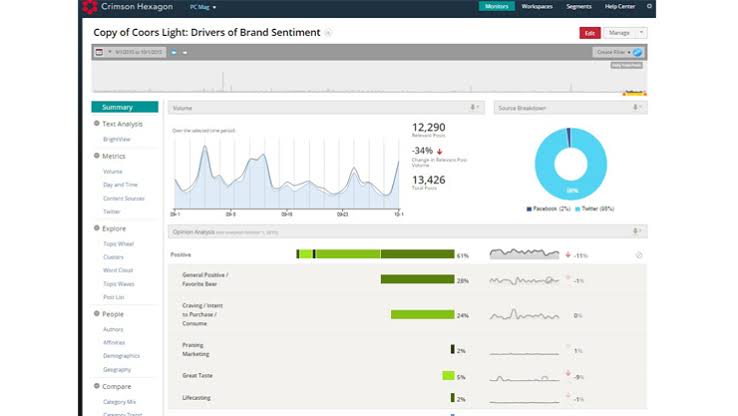
Crimson Hexagon monitors social media and online mentions for brands and competitors. Its AI identifies sentiment and uncovers emerging trends. In fact, product managers can adjust strategies based on real-time insights. This ensures products remain competitive in changing markets.
Additionally, the platform highlights customer feedback and competitor campaigns. Teams gain actionable intelligence without hours of research. Notably, managers can respond proactively to market developments. Thus, social listening becomes both focused and efficient.
3. ChatGPT
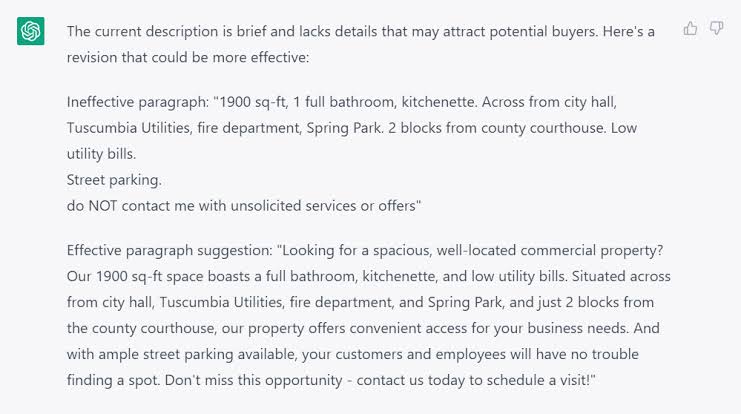
ChatGPT is also one of the recommended AI tools for product managers, which can analyze user surveys, feedback, and support tickets automatically. It detects patterns, sentiment, and common issues effectively. By doing so, managers prioritize product improvements based on data. This saves time and reduces manual effort in analysis.
Moreover, ChatGPT generates user stories, release notes, and documentation. Teams maintain consistent communication effortlessly. To achieve this, managers can focus on strategic initiatives. Hence, product decisions become faster, more informed, and reliable.
4. Amplitude
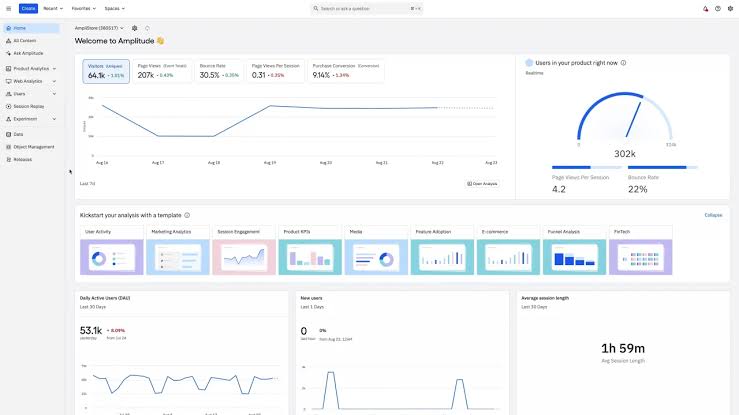
Amplitude tracks user actions and engagement patterns efficiently. Its AI identifies bottlenecks and areas for improvement automatically. For example, product managers can optimize user journeys and retention strategies. Decisions are supported by precise data rather than guesswork.
At the same time, Amplitude supports experiments and predictive insights. Teams can forecast user behavior before rolling out changes. This way, proactive adjustments enhance satisfaction and outcomes, and analytics become actionable and easy to apply.
Also Read: 10 Most Surprising Artificial Intelligence Experiments Ever
5. Mixpanel
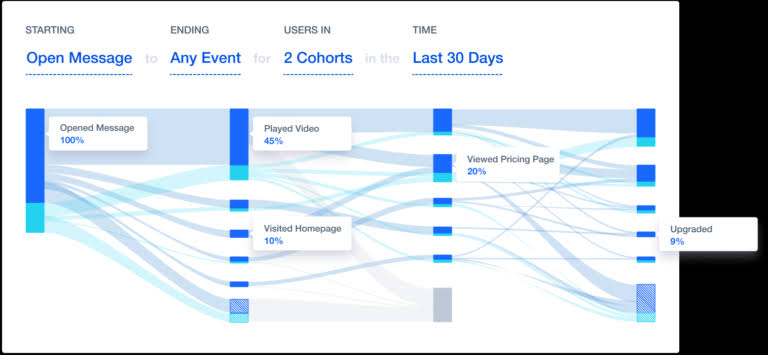
Mixpanel is one of the ten must-try AI tools for product managers to segment users and track feature usage intelligently. AI predicts outcomes and identifies trends for smarter decisions. By doing this, product managers prioritize high-impact features confidently. Teams avoid guesswork and optimize time effectively.
In addition, predictive analytics anticipate user needs and potential challenges. Managers can plan features that improve engagement and retention. Similarly, Mixpanel turns insights into actionable steps. Therefore, decisions become faster and are backed by solid data.
6. Airfocus
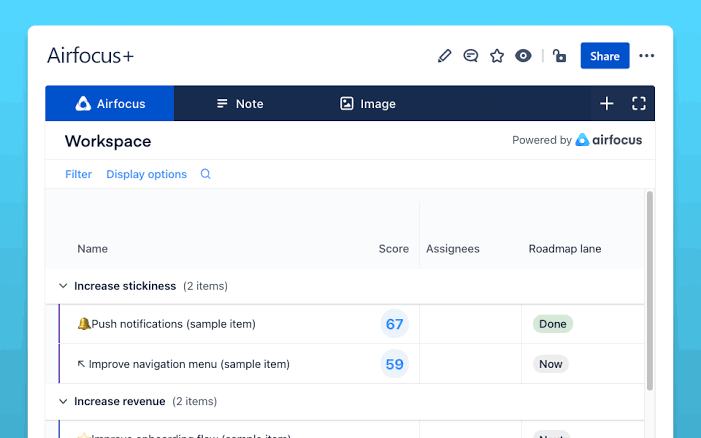
Airfocus is an AI-powered tool designed to prioritize backlog items efficiently. It evaluates tasks based on effort, impact, and value, ensuring that teams focus on high-priority work. Consequently, product managers can allocate resources smartly and make strategic decisions confidently.
On top of that, Airfocus integrates customer feedback and team capacity to refine prioritization further. Teams gain clarity on which initiatives will generate the most value. Thus, productivity and ROI improve as valuable work is completed faster.
7. Notion AI
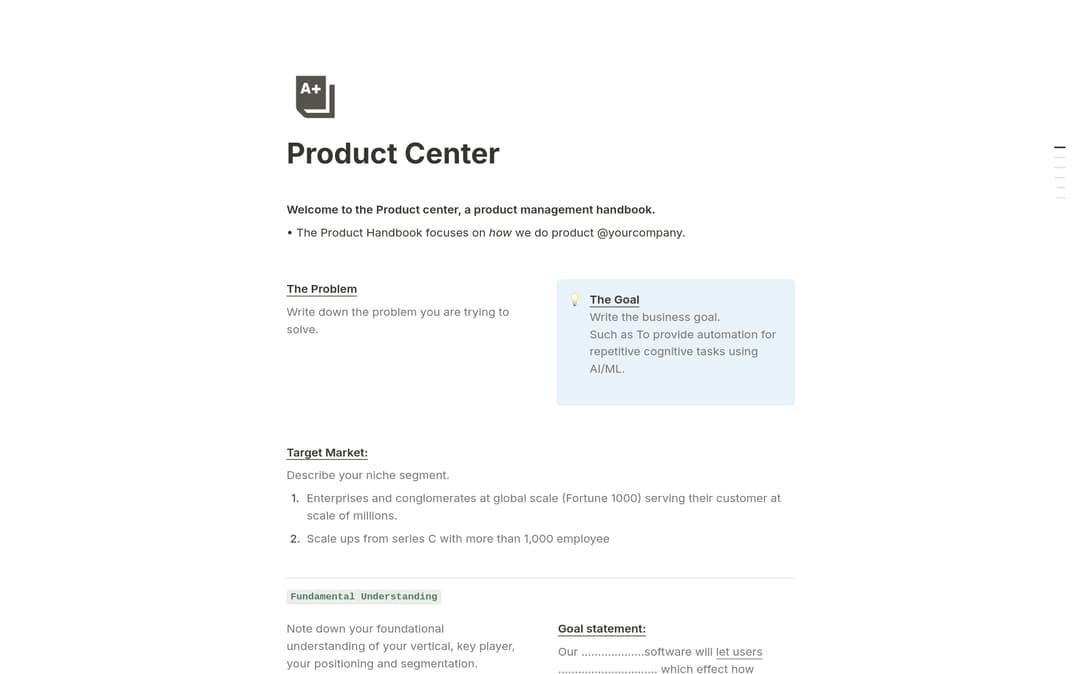
Notion is one of the most familiar AI tools for product managers to assign tasks based on team strengths and workload. It also drafts notes, documents, and project plans automatically. By doing so, managers save time on administrative work. Workflows become organized, efficient, and easier to manage.
The AI also identifies potential bottlenecks and workflow issues. Collaboration improves across teams with clear alignment. This way, projects stay on track and deadlines are met, and productivity is enhanced without extra effort.
Also Read: 150 Artificial Intelligence Project Ideas for Tech Solutions
8. Jira AI Plugins
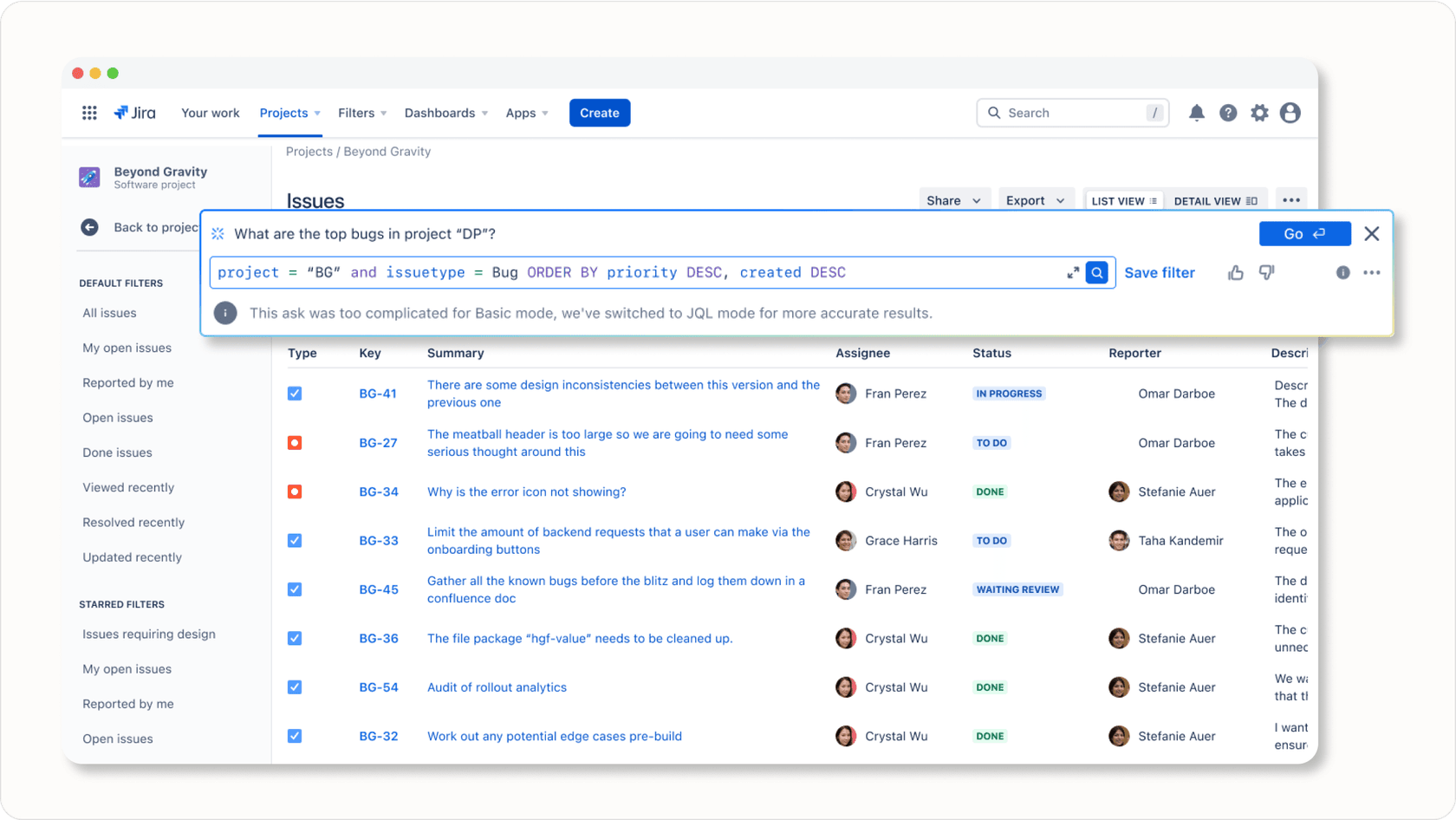
Jira AI automates repetitive tasks like issue assignment and status updates. Dashboards and reports are generated without manual work. For instance, teams can focus on delivering value rather than routine tasks. This saves time and reduces errors.
At the same time, the AI analyzes team performance and identifies bottlenecks. Managers can optimize workflows and speed up delivery. In essence, Jira becomes a smarter project management tool.
9. Aha! AI
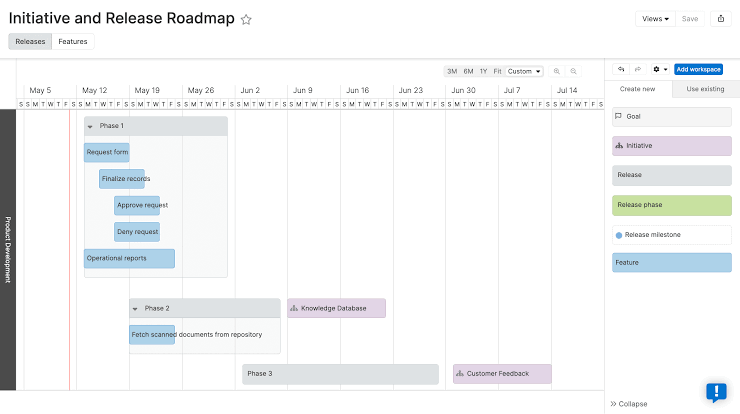
Aha! AI recommends features based on market trends and customer feedback. Roadmaps are visualized clearly to align development with strategy. Notably, managers can prioritize initiatives that deliver maximum value. Teams stay coordinated and focused.
In addition, progress tracking adjusts recommendations dynamically. Teams respond to changes promptly without losing direction. This way, AI ensures roadmaps are realistic and data-driven. Consequently, planning becomes faster, smarter, and more effective.
10. Productboard
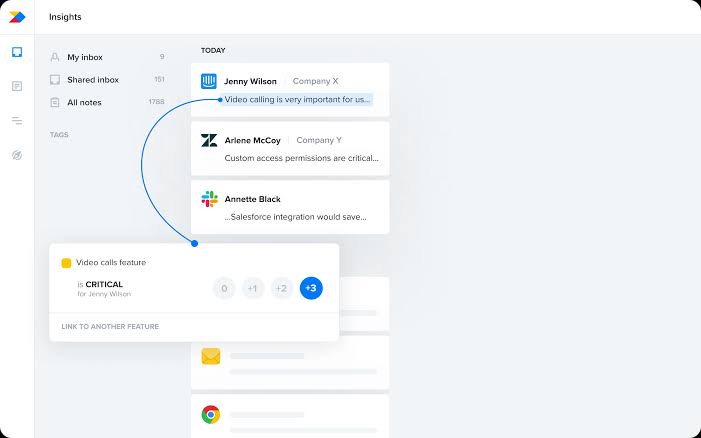
Productboard collects feedback from customers, sales, and support teams. AI analyzes this information to highlight critical needs so that managers can prioritize features that meet real user demands. Product decisions align with strategy and expectations.
Furthermore, Productboard links insights to development tasks directly. Teams focus on initiatives that drive measurable growth. To achieve this, AI ensures that product discovery and strategy are effective. In the end, managers can deliver products users truly value.
Also Read: 10 Best Sales Reporting Software for Smarter Business Decisions
Achieve Better Outcomes with AI Tools for Product Managers
In short, AI tools for product managers and product teams can work smarter, analyze data faster, and prioritize tasks effectively. Moreover, integrating AI streamlines workflows and reduces manual effort, which allows teams to focus on high-impact initiatives.
In addition, these tools provide actionable insights to make better product decisions. Notably, teams can adapt quickly to market changes and stay ahead of competitors. Hence, take the first step and enhance collaboration, productivity, and product success immediately!