 By
By Figuring out how to eat healthy in college can feel tough when you’re juggling classes, late-night study sessions, and a tight budget. Healthy eating isn’t about strict rules, it’s about making simple, sustainable choices that fuel your body and keep you feeling your best.
Moreover, National Library Medication research stated that many university students struggle with poor eating habits, even though most have an understanding of nutrition. That is why we have collected 10 tips for eating healthy in college that you should try.
Key takeaways
- Meal prepping, carrying a reusable water bottle, choosing affordable proteins, and being mindful of portion sizes may seem simple.
- Healthy eating in college isn’t about strict rules or cutting out all treats. It’s about making smarter choices most of the time.
- From navigating the dining hall to stocking up on frozen veggies and budget-friendly staples, a little planning goes a long way.
How to Eat Healthy in College
Here are 10 guide to eat healthy at college that can help you feel your best and make the most of your day.
1. Weekly Meal Prep

Meal planning and prepping your meals ahead of time is one of the easiest ways to maintain healthy eating habits. You can do it once a week to make your whole meals ready to go for a week ahead. You don’t need to prepare every single meal, just focus on one that can make a difference.
For example, if you’re usually busy with classes during breakfast and lunch, prepping dinners ahead of time might work best for you. Having ready-to-go meals in the fridge can help you avoid turning to fast food or other quick, unhealthy options.
Also Read: How to Save Money in College: A Student’s Survival Guide
2. Healthy Snack
Consider keeping healthy snacks on hand like fresh or dried fruit, a handful of nuts, pretzels, popcorn, or whole wheat crackers. You can also prep cut-up veggies such as carrots, celery, or bell peppers and pair them with hummus for a quick and nutritious option.
These kinds of snacks are easy to grab between classes or whenever you need a boost, and they’ll help you steer clear of less healthy choices. Having a few go-to snacks ready can make sticking to your healthy habits much easier.
3. Stay Hydrated
Investing in a good-quality bottle can make a big difference, especially if it encourages you to drink more. You might not notice it, but you could be going through parts of your day slightly dehydrated.
Aiming to drink around 2 to 3 litres of water daily is the basic thing on how to eat healthy as a college student. Staying well-hydrated supports your heart, muscles, joints, and skin, helps regulate body temperature, and prevents dry mouth.
4. Go to College Dining Hall

The college dining hall can be a lifesaver for students living on campus, but it’s also filled with plenty of not-so-healthy temptations. You can start by hitting the salad bar for fresh fruits and veggies, and pick a lighter dressing like olive oil and vinegar.
Be mindful of how foods are prepared, grilled is usually a healthier choice than fried. Try to load your plate with power foods: lean proteins, whole grains, and nutrient-dense options instead of sugary, processed items. With a little effort, you can build a balanced meal that actually fuels your body.
Also Read: 8 Innovative Time Management Techniques You Must Know
5. Find Healthy Food Around Campus
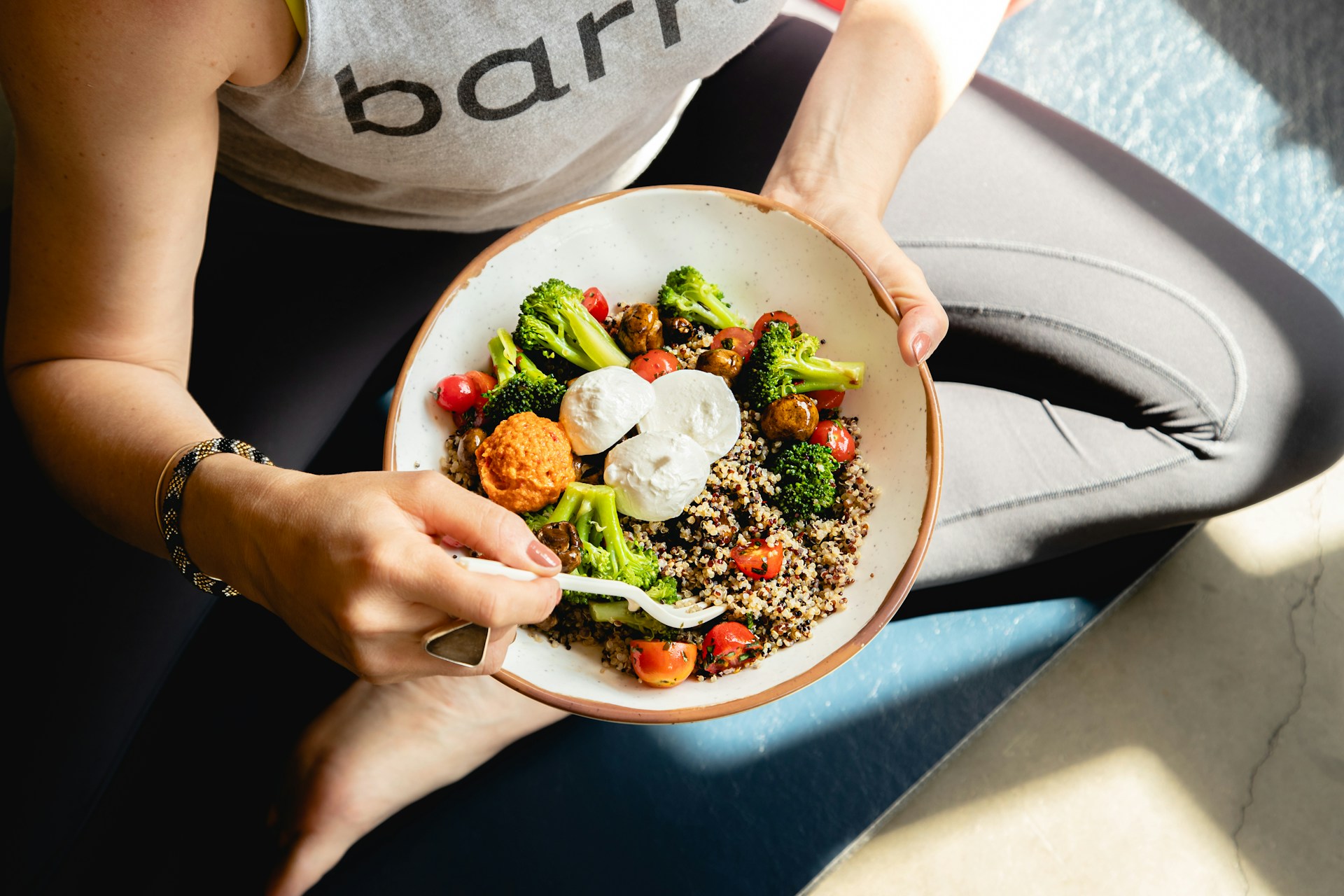
If you’re not a fan of campus canteen meals, there are usually plenty of food spots around campus worth exploring. Look for local cafés, food trucks, or small eateries that offer healthier options like salads, wraps, grain bowls, or fresh sandwiches.
Many campuses also have nearby grocery stores or markets where you can grab fresh ingredients or ready-made meals. With a bit of effort, you can find affordable and nutritious food outside the dining hall that still fits your schedule and budget.
6. Eat Breakfast
No matter what time you wake up, make it a habit to eat a breakfast packed with fibre and protein. It’s the meal that energizes your brain and body, keeping you focused for the day ahead. Even if you’re in a rush to get to class, grab something quick like a granola bar, a piece of fruit with peanut butter, or a protein smoothie.
7. Avoid Sugary Beverages
Sugary drinks can sneak in a lot of extra calories and quickly drain your wallet too. Instead, stick with tap water and carry a reusable water bottle to stay hydrated without the added sugar or expense. It’s a simple switch that pays off in both health and savings.
If you’re a coffee or tea drinker, try brewing your own at home rather than buying pricey drinks. Small changes like these can make a big difference over time, and that is the start on how to eat healthy at college.
Also Read: Top 8 Best Time Management Tools to Always Stay on Track
8. Limit Alcohol Intake

Drinking alcohol can significantly boost your appetite, often causing you to eat more than you usually would. While the occasional drink is fine for many people, regular or excessive drinking can make it harder to maintain a balanced diet and reach your health goals.
9. Choose Affordable Protein Source
Protein is a key part of a healthy diet, but it doesn’t have to cost a fortune. Budget-friendly options like eggs, tofu, peanut butter, lentils, and dried beans are all great choices. They’re not only packed with nutrients but also super versatile—easy to use in everything from stir-fries to sandwiches.
10. Avoid All You Can Eat
It’s natural to want to get your money’s worth, but it often means ignoring what your body actually needs. Pay attention to your body’s signals of hunger and fullness, and focus on stopping when you feel satisfied rather than overly full. Being mindful while you eat can go a long way in helping you build healthier habits.
Also Read: 10 Personal Finance Podcast Channels to Boost Financial IQ
Now You Know How to Eat Healthy in College!
Building healthy eating habits in college doesn’t have to be complicated or expensive, it just takes a bit of planning and mindfulness. Listen to your body, fuel it with nutritious foods, and remember that balance is key. With a little effort, you can take control of your diet and feel your best, both inside and outside the classroom.