 By
By Meditation tools can enhance your practice by improving focus and creating a more supportive environment. Since everyone has different preferences, it’s important to explore various options, like apps, cushions, or sound aids, to find what best suits your needs and helps you get the most out of each session.
Key takeaway
- Using props like cushions, blankets, or Tibetan singing bowls can help improve posture, reduce discomfort, and support deeper concentration.
- Apps like Headspace, Calm, Buddhify, and Insight Timer offer guided meditations, timers, and community support to help you build a consistent practice.
- Tools like Tibetan singing bowls and essential oil diffusers promote calmness and emotional release.
11 Meditation Tools You Should Know
According to Statista, the market for meditation and mental wellness apps is expected to grow substantially, reaching over $7 billion globally by 2029. As more people recognise the mental and emotional benefits, they’re turning to meditation as an accessible tool to manage stress, improve focus, and support mental health.
1. Meditation Seats

Meditation seats support posture and ease discomfort during long sitting sessions, especially for beginners. They help prevent pain or numbness and improve focus. Options include cushions, bolsters, and benches. Choose what suits your needs for a more comfortable practice.
Also Read: How to Meditate in Bed for Better Sleep and Reduce Anxiety
2. Mala Beads

Mala beads, traditionally used since the 8th century BC, aid in counting breaths or mantras. This mala bead is typically made from seeds, wood, or stones, and mala beads feature 108 beads along with a larger guru bead. Rudraksha malas are sustainable, symbolic, and ideal for daily mindfulness practice.
3. Mendi Headband

The Mendi headband uses fNIRS technology to track prefrontal cortex activity, and it is one of the best meditation tools that you can try. It enhances focus, emotional regulation, and mindfulness while promoting better sleep and reduced stress.
4. Meditation 3.0 from iAwake Technologies

Binaural beats and isochronic tones harness specific sound frequencies to affect brainwave activity and enhance meditation depth. iAwake enhances this with advanced features like harmonic layering, biofield entrainment, and dual-pulse signaling.
5. Headspace Apps
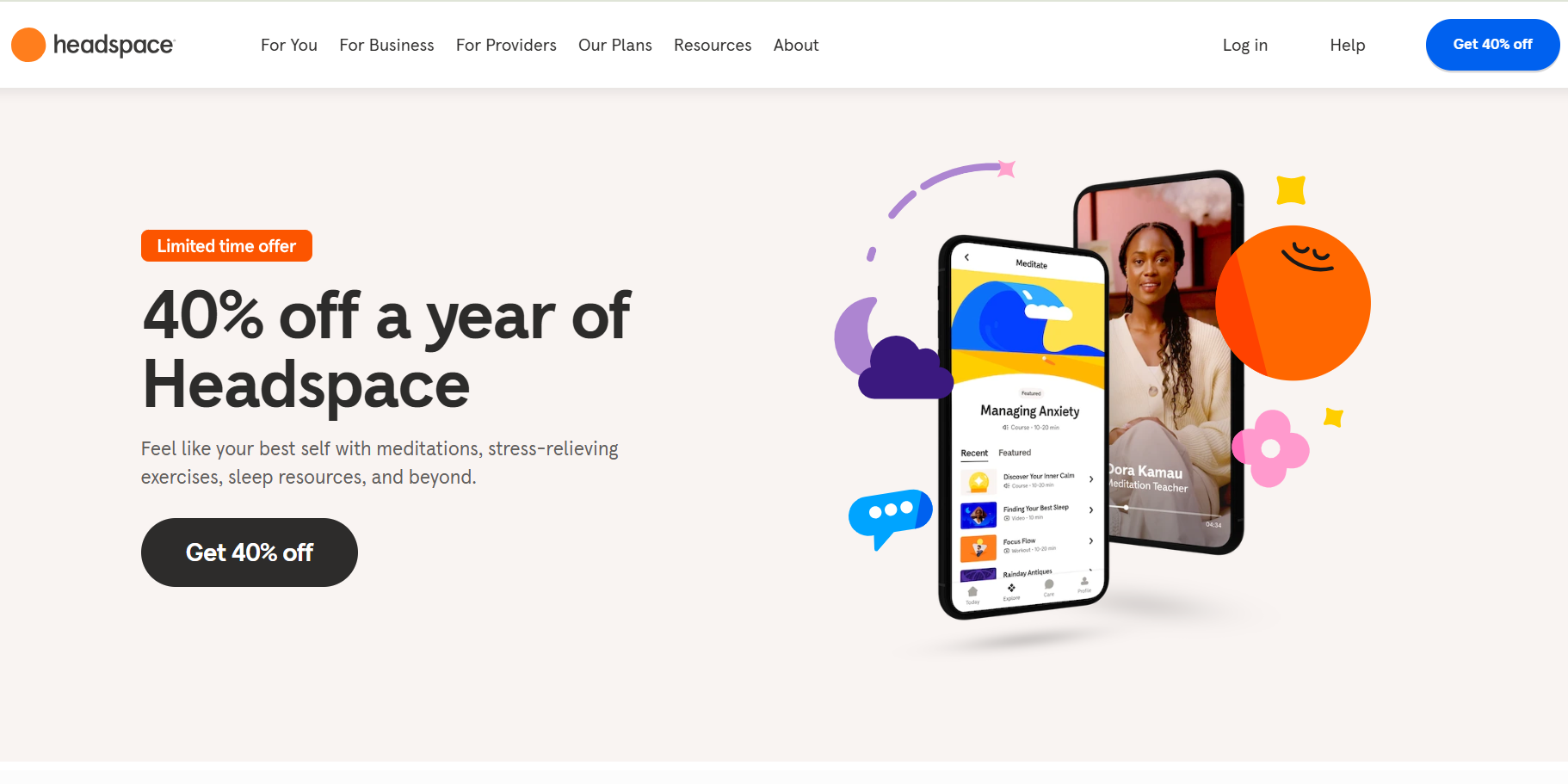
Headspace is a science-backed meditation app guided by former monk Andy Puddicombe. With daily practice, it helps reduce stress, improve focus, and build healthier habits. Accessible via mobile or web, it offers practical techniques and often discounts for new users, especially during promotions like the New Year.
Also Read: How to Save Money in College: A Student’s Survival Guide
6. Tibetan Singing Bowls

Tibetan singing bowls are one of traditional meditation tools that produce calming tones to support meditation. Used by Buddhist monks, the vibrations from the bowls soothe the mind and help align the body’s energy. Studies show they can reduce anxiety, fatigue, and blood pressure.
These make them especially useful for deepening mindfulness, enhancing breath awareness, and supporting emotional release during meditation.
7. Calm Apps
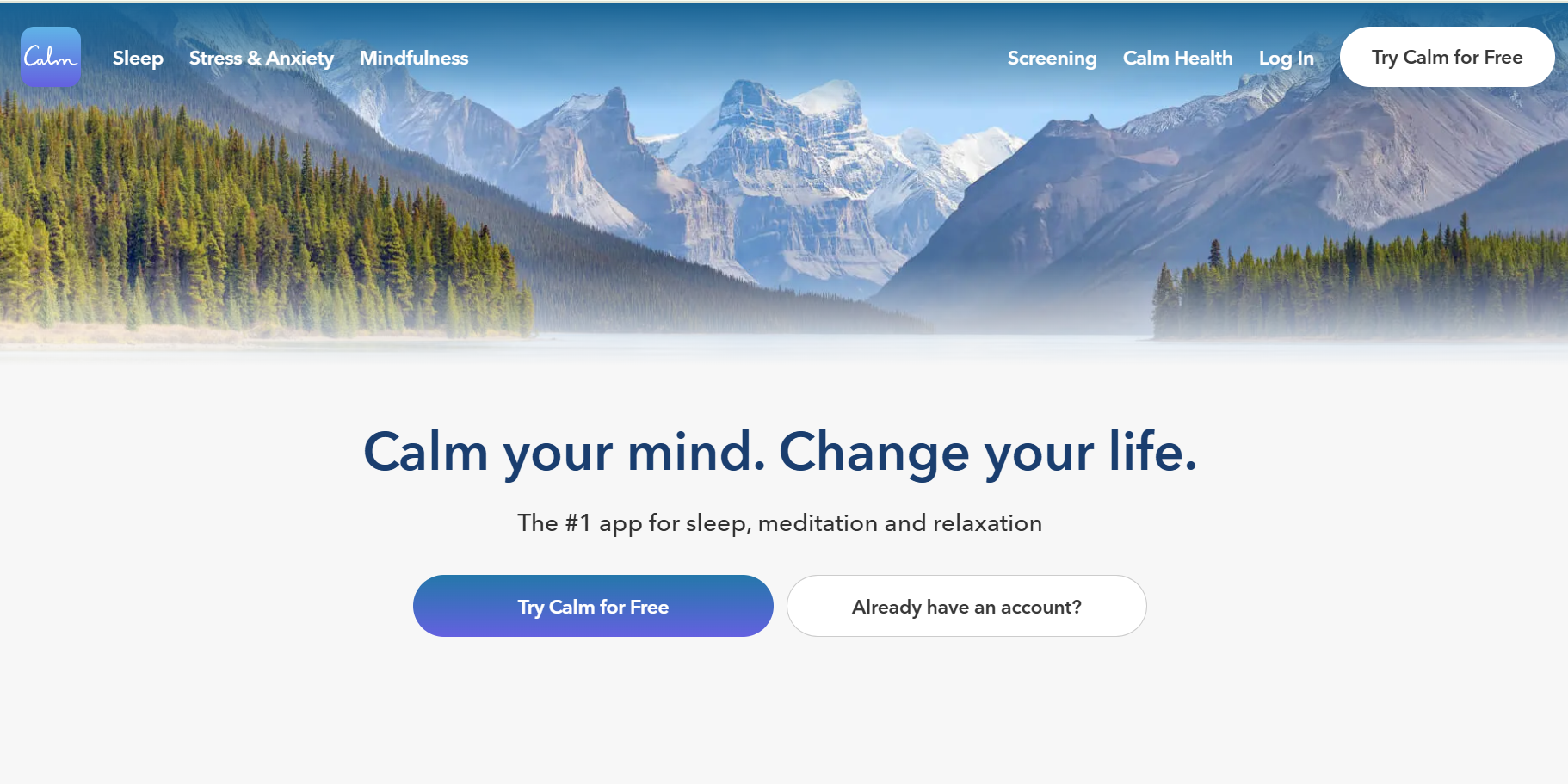
Calm is a meditation app similar to Headspace, offering guided sessions, sleep stories, and relaxation tools. Both apps are comparably priced and include a 7-day free trial. Try each to see which best suits your needs and meditation style.
8. Yoga Blanket

Yoga blankets are one of the tools for meditation that support posture and comfort during meditation. They reduce cramps and pain, making them a practical alternative to traditional meditation seats while helping you stay relaxed and focused throughout your practice.
9. Insight Timer Apps

Insight Timer makes meditation simple and peaceful. Its calming bells, session tracker, and background timer help create a serene environment. Join a global community meditating over a million hours, perfect for both beginners and seasoned practitioners seeking focus, peace, and consistency.
10. Essential Oil Diffusers
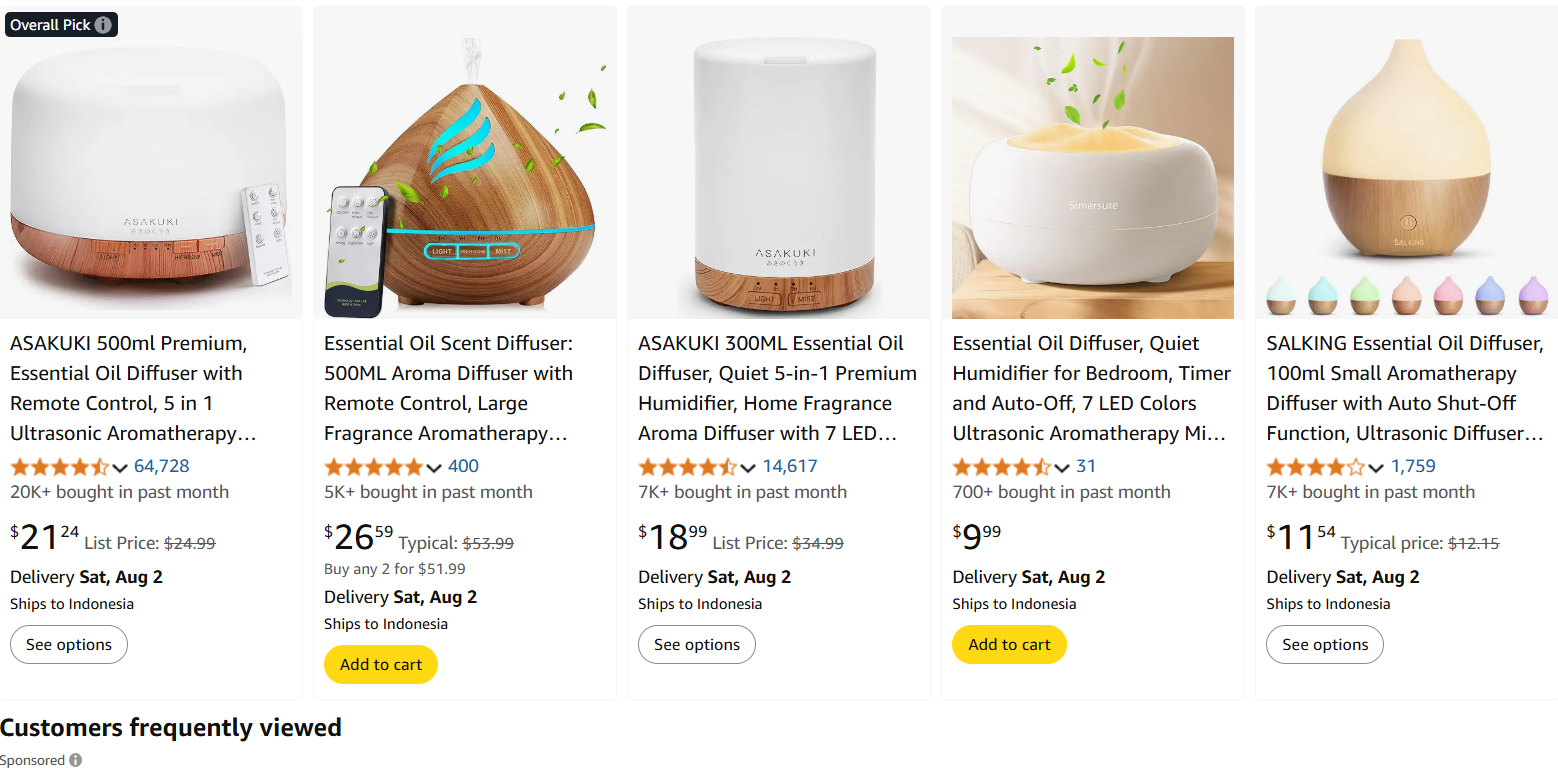
Essential oil diffusers release calming scents that enhance meditation by reducing stress, improving focus, and promoting relaxation. This essential oil is smoke-free and easy to use, making it one of the best meditation tools for beginners.
11. Buddhify
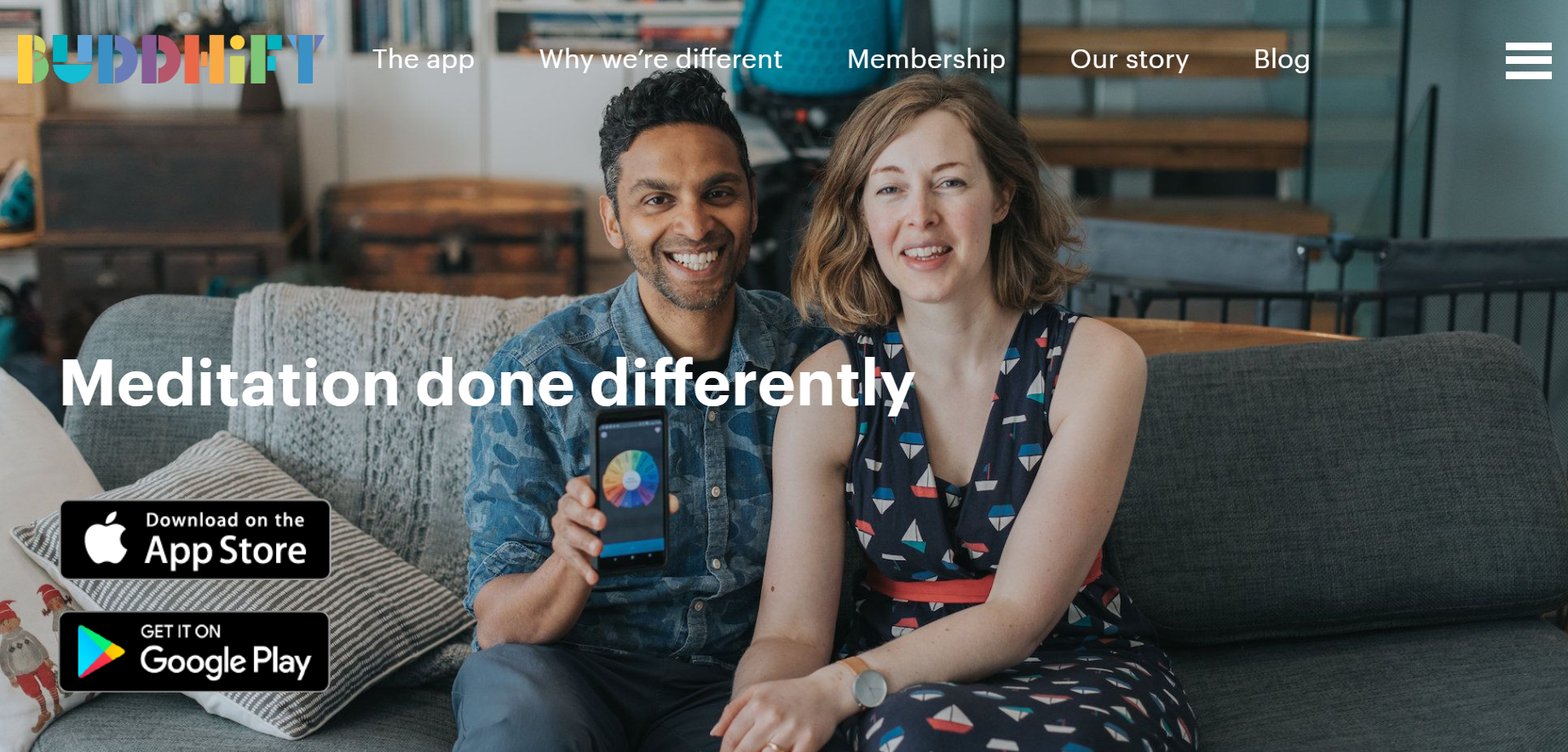
Buddhify is a meditation app designed for busy lives. This practice can be integrated into daily life without setting aside specific meditation time, making it accessible anytime and in any setting. This blends modern tech with real-life mindfulness experience for deeper, accessible practice.
Also Read: 10 Personal Finance Podcast Channels to Boost Financial IQ
8 Benefits of Meditation
Here are several advantages you can gain from practicing meditation.
1. Reduced Stress
Meditation helps reduce stress by calming the nervous system, which may also alleviate symptoms of stress-related conditions like IBS, PTSD, and fibromyalgia while strengthening emotional resilience.
2. Control Anxiety
Studies show that practicing mindfulness for eight weeks can lower anxiety symptoms, improve positive thinking, and enhance stress coping.
3. Improved Memory
Regular meditation enhances focus and mental clarity, boosting working and long-term memory. It increases grey matter in memory-related brain areas like the hippocampus and prefrontal cortex and slows age-related decline.
4. Increased Attention
With regular practice, it enhances your ability to concentrate for longer periods by training the brain to focus on the present moment, leaving distractions behind. This condition makes tasks that require sustained focus feel more manageable and less mentally draining.
5. Enhances Self-awareness
Certain types of meditation, like self-inquiry, can deepen self-awareness and personal growth. They help you recognise negative thought patterns and shift them toward healthier ones. Research also shows mindfulness meditation may reduce loneliness and increase social connection, even with short-term practice.
6. Generate Kindness
“Loving-kindness meditation, also known as Metta, involves intentionally generating feelings of compassion and goodwill toward oneself and others. Over time, this meditation can increase empathy, forgiveness, and emotional resilience.
7. Better Sleep
Meditation can help you fall asleep faster and improve sleep quality by calming the mind, relaxing the body, and reducing stress or racing thoughts that often interfere with rest. Regular practice promotes deeper, more restorative sleep.
8. Help with Addiction
These practices supports breaking dependencies by enhancing self-control and awareness of triggers. Studies show practices like transcendental meditation may reduce stress, cravings, and substance use. Mindfulness meditation has also been linked to reduced emotional eating and binge behaviours.
Also Read: 7 Best Photo Editing Software for Beginners to Upgrade Your Skills
Trying Out Meditation Tools for Real
Incorporating meditation tools can support concentration, particularly for beginners who often find it challenging to maintain present-moment awareness. Whether you choose guided apps or physical tools like cushions or sound bowls, they can support your practice and help you experience deeper, more effective meditation.