 By
By Have you ever been physically present but mentally somewhere else? When your mind is overloaded with worries and tasks, it’s easy to feel stuck. Learning to stay present helps you slow down and handle things one step at a time. This article explores how to be more present and how it can help bring out the best in you.
Key takeaways
- Being present starts with paying attention to what is happening right now, including your thoughts, surroundings, and physical sensations.
- Learning how to be more present helps you reduce overwhelm, improve focus, and manage daily stress more effectively.
- Simple practices like mindful breathing, limiting distractions, and single-tasking strengthen your ability to stay grounded.
The Benefits of Being More Present You Should Know
Being more present is essential for personal growth, helping you develop clarity, emotional balance, and stronger self-awareness. It also allows you to become more focused, resilient, and intentional in your actions. Here are some benefits you should know about how to be more present.
1. Improve Mental Clarity and Focus
Being fully present improves cognitive function in measurable ways. Attention span increases, mental distractions decrease, and information is processed more efficiently.
2. Enhance Creativity and Problem-Solving Ability
Full presence increases mental openness and flexibility. It helps us consider new perspectives and approach problems with clearer insight, leading to more creative and effective solutions.
3. Self-Awareness
Noticing thoughts and emotions without passing judgment builds deeper self-awareness. It reveals recurring patterns and triggers, making it easier to choose responses intentionally and handle the situations.
4. Enjoy Life More
Simple pleasures become more noticeable, from quiet moments of calm to details often missed when distracted or on autopilot. This awareness allows you to feel more connected and genuinely engaged with each experience as it unfolds.
5. Strengthen Relationship
Giving full attention to the people we interact with shows genuine care and empathy. This presence builds trust, encourages deeper understanding, and improves communication, making relationships more meaningful and emotionally connected.
Also Read: 8 Non-Meditative Mindfulness Exercises for Adults on Busy Days
10 Easy Tips to be More Present and Enjoy the Moment
Practising to be more present starts with small, mindful actions that help you reconnect with the moment and reduce mental clutter. These easy tips will guide you on how to start present and live in the moment.
1. Journaling

Journaling is an effective practice for improving self-awareness and emotional well-being by providing a clear space to reflect on thoughts, feelings, and behaviours. Regular journaling helps identify patterns, manage stress, regulate emotions, and stay present in daily life.
You can journal about compassion, gratitude, forgiveness, future aspirations, or meaningful events from your day. Each theme encourages deeper reflection, helping you process emotions and strengthen positive thinking.
2. Schedule Creative Time
Creative activities like painting, drawing, or making music help you slow down and stay rooted in the present moment. They allow emotions to surface naturally, turning focus away from distractions towards enjoyment, self-expression, and appreciation of what you create fully.
3. Practice Meditation

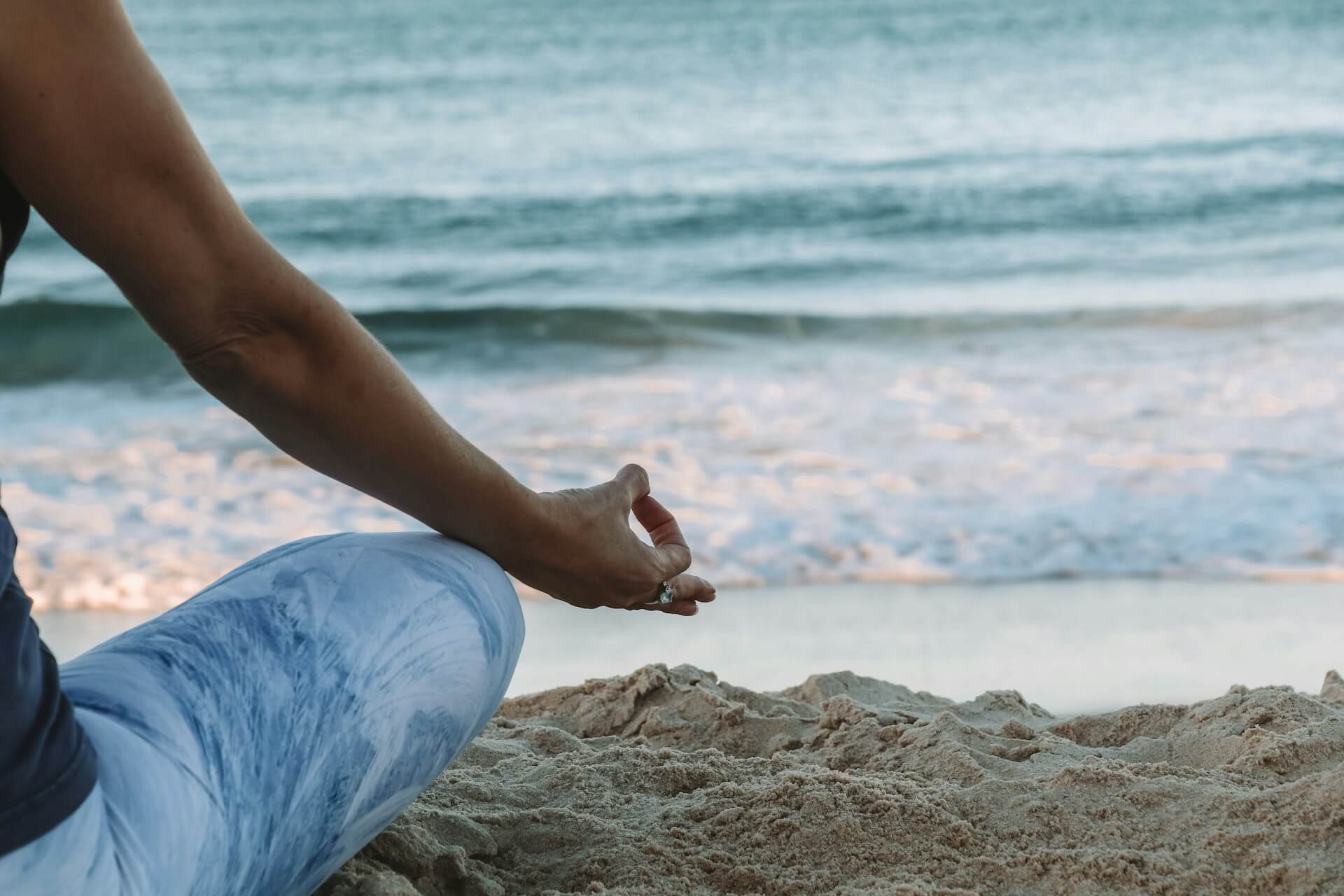
Meditation offers another simple yet powerful way to become more present. It creates a sense of mental space, allowing you to pause, reflect, and approach decisions with greater clarity for yourself and those around you. A successful practice only requires patience, self-compassion, and a quiet, comfortable place.
Also Read: Top 11 Meditation Tools for Beginners to Deepen Your Practice
4. Participate in Reflective and Active Listening
Active listening shows attention through cues like eye contact or nodding, while reflective listening involves restating what was heard to confirm understanding. Both approaches support how to be more present by helping you stay focused and genuinely engaged in conversations.
5. Spend Time in Nature

Spending time in nature helps you feel more grounded and present. A walk in the park or a quiet moment outdoors lets you notice the sights, sounds, and smells around you. If that is not possible, nature visuals or calming soundscapes can still bring a sense of peace and connection.
6. Show Empathy and Understanding
Being present goes beyond simply hearing words. It involves empathising with the speaker, understanding their perspective, and recognising their emotions. By responding with genuine compassion and care, you create meaningful connections and help others feel heard, valued, and emotionally supported.
7. Limiting Distraction

Mindful living comes down to a simple choice: being present or being distracted. When you stay focused on the current moment, you experience life more clearly and meaningfully.
Common distractions include notifications, social media, background noise, rushed schedules, overthinking, worry, and mentally replaying past conversations daily. Reducing distractions helps you to be more present, making it easier to fully engage with what is happening rather than drifting away from it.
Also Read: 15 Mindfulness Activities for Kids to Build Focus and Emotional Balance
8. Try a Grounding Technique
The 5-4-3-2-1 grounding exercise is a simple technique that helps bring your attention back to the present moment and reduce stress.
You can pause and do it like this:
- Notice five things you can see.
- Identify four things you can touch.
- Listen for three sounds around you.
- Recognize two scents in your environment.
- Focus on one taste you’re experiencing.
By focusing on your senses, this practice gently anchors you in your surroundings and restores mental clarity and calm.
9. Ask Open-Ended Questions
Engage others by asking open-ended questions that encourage thoughtful responses and deeper reflection. These questions help move conversations beyond surface-level talk and support how to be more present by creating space for more meaningful connections.
10. Explore Breathing Exercise

The breath acts as a powerful anchor to the present moment. This simple breathing technique helps ease stress, anxiety, and panic in just a few minutes, and it can be done anywhere, whenever you need a moment of calm.
The NHS recommends this structured method as a helpful breathing exercise to manage stress and restore calm. Here’s how you can do it:
- Let your breath flow gently into your belly as deeply as feels comfortable, without forcing it.
- Breathe in through your nose and out through your mouth.
- Keep your breathing slow, steady, and relaxed.
- Count from 1 to 5 as you breathe in, if this feels comfortable.
- Count from 1 to 5 again as you breathe out.
- Continue this calm breathing pattern for at least 5 minutes.
Also Read: How to Meditate in Bed for Better Sleep and Reduce Anxiety
What’s More on How to be More Present?
Being more present starts with small, steady habits like silencing notifications, slowing your breathing, and giving full attention to one simple daily task. Since the mind naturally wanders for almost half the day, intentional focus becomes essential for deeper awareness and meaningful connection.
These practices help you stay present and appreciate the world around you more deeply. They also bring a greater sense of calm, support clearer thinking, reduce stress and anxiety, and leave you feeling more balanced, positive, and alive.