By
By Artificial intelligence experiments are rewriting what we thought machines could do. Around the globe, creators, researchers, and tech giants are now pushing AI into creative territory. These projects surely go far beyond coding and data.
You’ll meet AIs that recognize emotions, design video games, and create museum-worthy art. Even better, each one shows the fun and unexpected side of advanced technology. So, keep reading because you won’t believe what AI is capable of next!
Key Takeaways
- AI experiments showcase AI’s creative and scientific potential.
- AI enables breakthroughs in emotion recognition, art, music, and language.
- Collaboration between humans and AI drives innovation and discovery.
Top 10 Mind-Blowing Artificial Intelligence Experiments
Next, we’re about to explore ten remarkable experiments that could transform your perspective on AI. Therefore, make sure you don’t miss a single one!
1. AI Writing Poetry and Creative Text
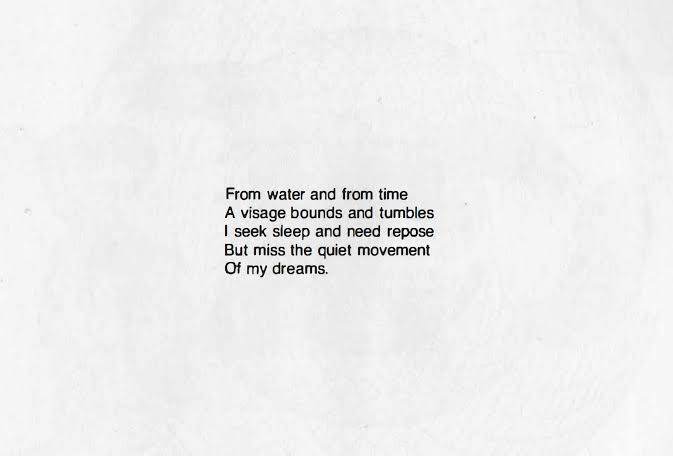
One of the most fascinating AI capabilities is generating human-like text. AI models such as OpenAI’s GPT-3 and GPT-4 can compose poems, stories, and jokes that sound surprisingly natural. This allows users to explore language creativity without writing a single word themselves.
Furthermore, according to a study that was published by Cornell University, GPT-3 demonstrates a “few-shot learning” ability, which means it can generate coherent text from minimal examples. This makes it an exciting artificial intelligence experiment for students interested in natural language processing.
Also Read: 150 Artificial Intelligence Project Ideas for Tech Solutions
2. Emotion Recognition from Speech
Recognizing emotions from voice is a challenging task. However, AI has made impressive progress. Researchers have built models that analyze speech tone, pitch, and speed to identify emotions such as happiness or sadness. This development helps virtual assistants become more empathetic and responsive.
Moreover, these models are becoming increasingly accurate in real-world scenarios, improving human-computer interaction. This experiment highlights the emotional intelligence aspect of AI, making technology feel more human.
3. AI-Generated Digital Paintings
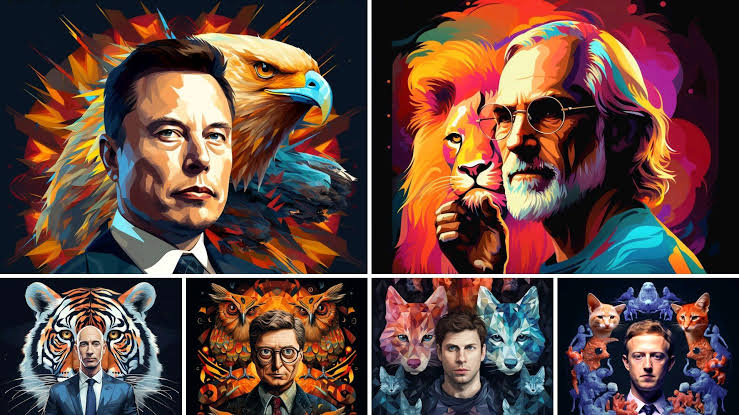
Neural Style Transfer allows AI to blend the content of one image with the style of another, creating stunning digital artworks. Apps like DeepArt and Google DeepDream utilize this to turn photos into paintings resembling famous artists like Van Gogh or Picasso. This technology has made digital art more accessible than ever.
Moreover, according to a study by CVPR, this technique uses convolutional neural networks to separate content and style effectively. For those wanting to try artificial intelligence experiments at home, style transfer apps offer an easy way to get started.
4. AI Creating Video Games Automatically
AI is pushing the boundaries of creativity by designing new games and levels on its own. Projects like AI Dungeon enable interactive storytelling where the AI generates the world and narrative in real-time. This innovation changes how we think about game development.
In addition, companies such as OpenAI and DeepMind continue to explore AI-driven game creation, making gaming more immersive and personalized. This shows how artificial intelligence experiments can revolutionize entertainment.
Also Read: 15 Inspiring Virtual Reality Applications in Real Life
5. AI Composing Music
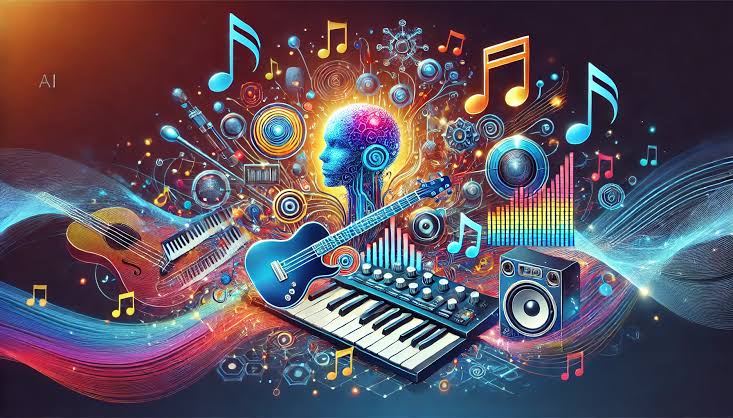
Google’s Magenta project is an exciting venture where AI collaborates with musicians to compose new melodies. Its NSynth system generates unique sounds by blending characteristics from multiple instruments, creating unheard musical textures. This opens new frontiers in music creation and creativity.
As one of the most innovative artificial intelligence experiments, Magenta leverages machine learning models to expand the artist’s creative palette. This experiment offers both musicians and researchers novel tools for artistic expression.
6. Socially Adaptive AI Robots
AI-powered robots are becoming socially intelligent and adaptive. At MIT Media Lab, researchers developed robots that learn from social interactions and respond naturally. These robots have been used in therapies, for example, helping children with autism develop communication skills.
Furthermore, such robots improve social engagement and learning in clinical settings. This demonstrates how artificial intelligence experiments you can try extend AI’s benefits into social and therapeutic realms.
7. AI for Innovative Product Design
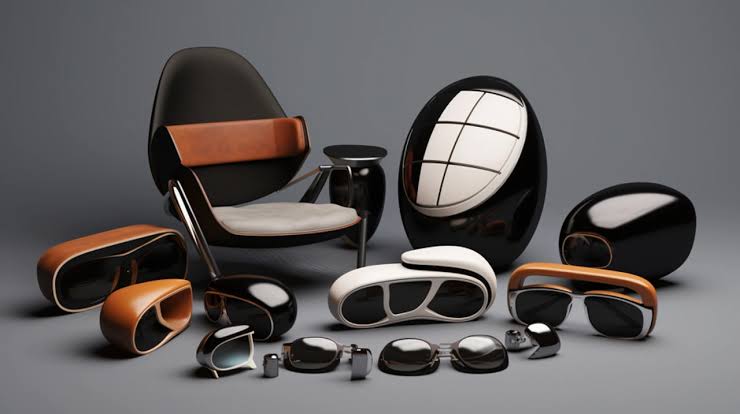
Generative design uses AI algorithms to create optimized product models automatically. Autodesk’s software explores thousands of possible shapes and configurations to design efficient and innovative products, from cars to furniture. This reduces human workload and opens new creative possibilities.
According to Autodesk’s whitepaper, generative design empowers engineers to solve complex problems by combining AI and human intuition. This represents one of the most promising AI experiments in engineering today.
Also Read: Top 7 Software Tools for Virtual Reality Development in 2025
8. Creative Robotics
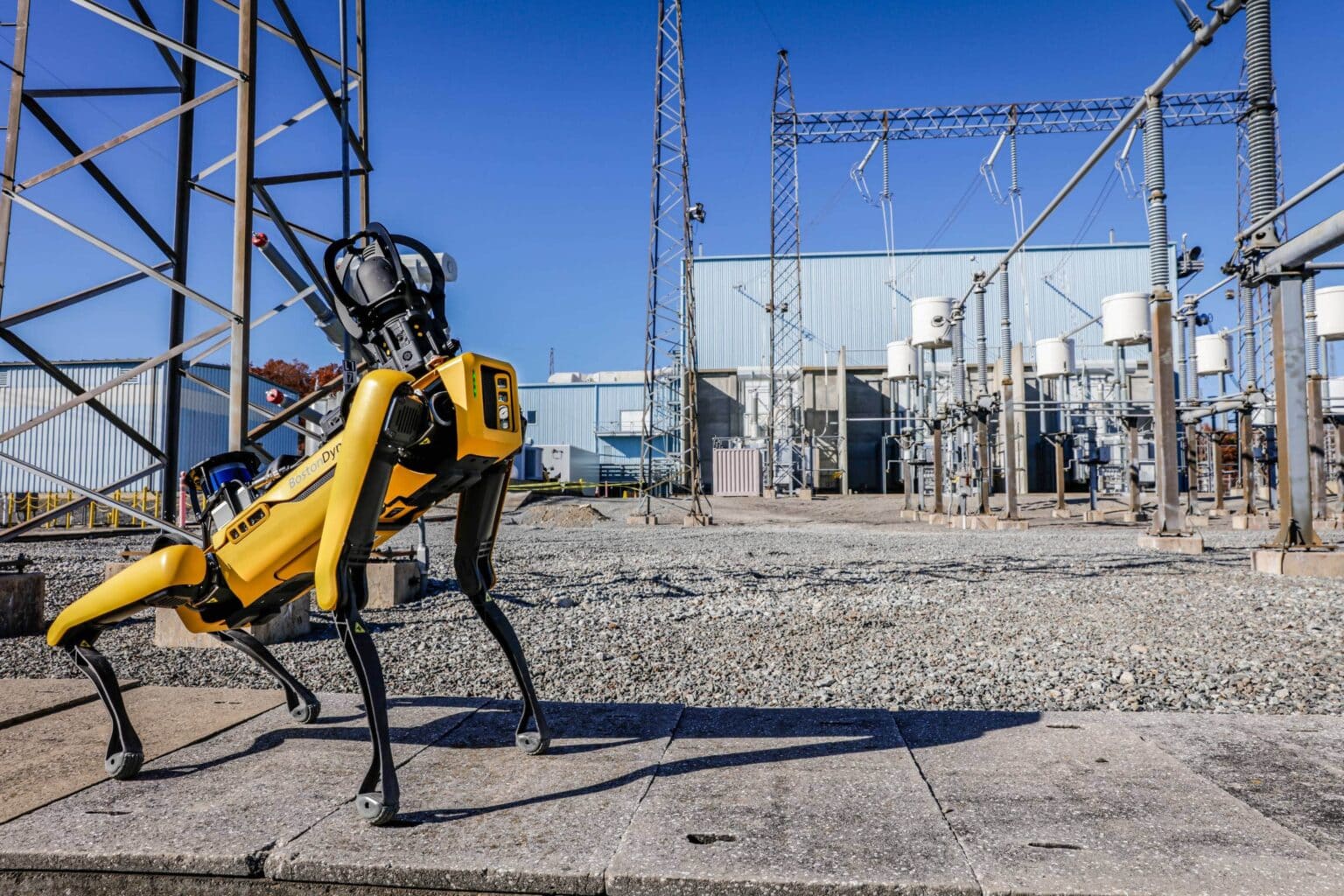
Robots like Boston Dynamics’ Spot are integrating AI with physical movement to perform creative and adaptive tasks. Spot can navigate challenging terrain, perform dance moves, and operate autonomously in complex environments. These artificial intelligence experiments mark a leap from purely functional robots to creative ones.
Boston Dynamics continues to expand these robots’ capabilities, highlighting how AI-driven robotics can blend creativity and utility. These experiments inspire future applications in both industry and entertainment.
9. AI Interpreting and Analyzing Art
AI is also being used to analyze and interpret artwork with surprising depth. Projects by MIT and Google Arts & Culture enable machines to recognize painting styles, artists, and historical contexts. This technology helps both experts and casual viewers better appreciate art.
Through this, AI acts as an educational tool, opening new ways to explore art history. The technology demonstrates AI’s ability to understand complex visual data beyond simple recognition.
10. AI Developing Its Own Language
An intriguing experiment involves AI agents creating their own language to communicate more efficiently. Research from Facebook AI Research (FAIR) showed that when multiple AI systems interact, they develop simplified or novel languages to optimize teamwork.
According to the FAIR study, this emergent communication is essential for advancing multi-agent AI collaboration. It reveals how AI can evolve beyond human-designed protocols to innovate independently.
Also Read: 12 Best Product Management Software with Next-Gen Features
Turn Curiosity Into Reality with Artificial Intelligence Experiments
Artificial intelligence experiments open doors to endless possibilities and innovation. By exploring these projects, you not only satisfy your curiosity but also contribute to more discoveries. Moreover, engaging with AI helps you understand how technology shapes our world. Therefore, it’s a perfect time to dive in and experiment yourself.
As a result, your ideas can spark new advancements and creative solutions. Furthermore, collaboration between humans and AI will drive the future forward. Ultimately, turning curiosity into reality with AI experiments is more accessible than ever.